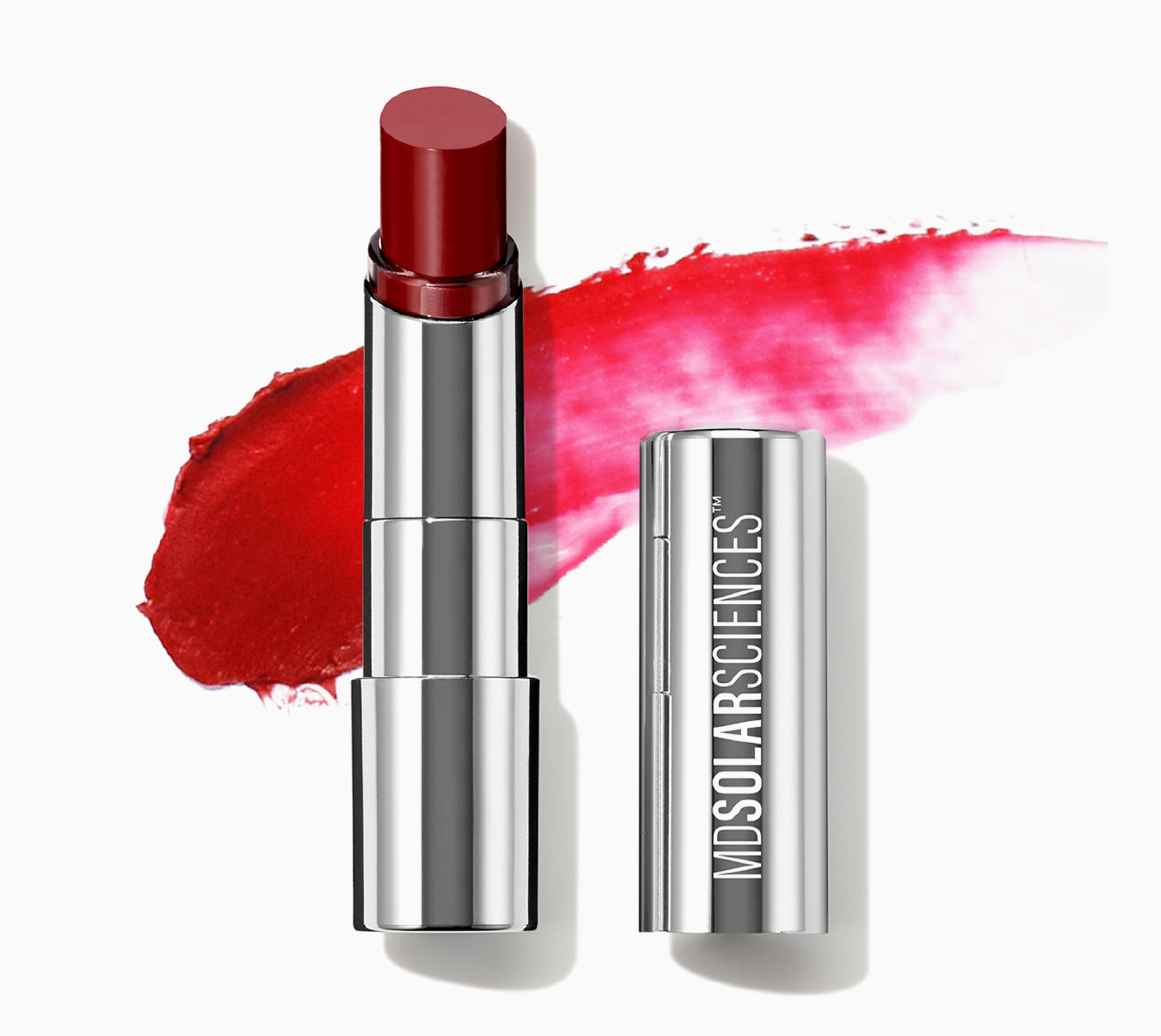
Blog: Everything Under the Sun
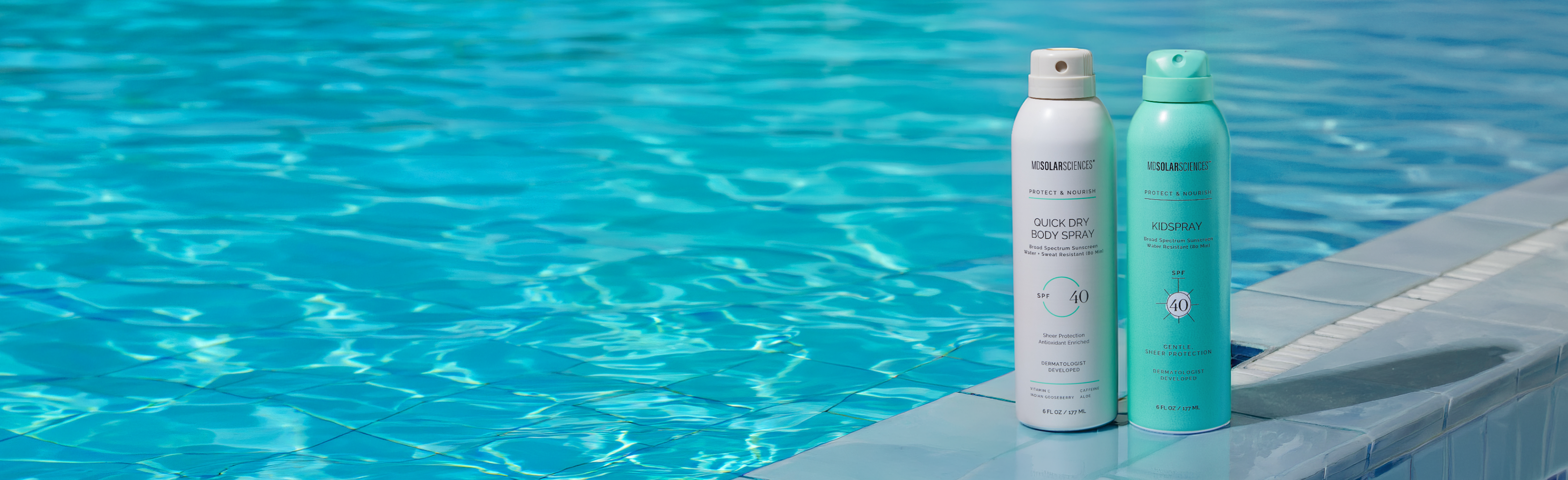

Why Reef Safe Mineral Sunscreen Is the Best SPF You Can Wear on World Ocean Day (And Every Day)
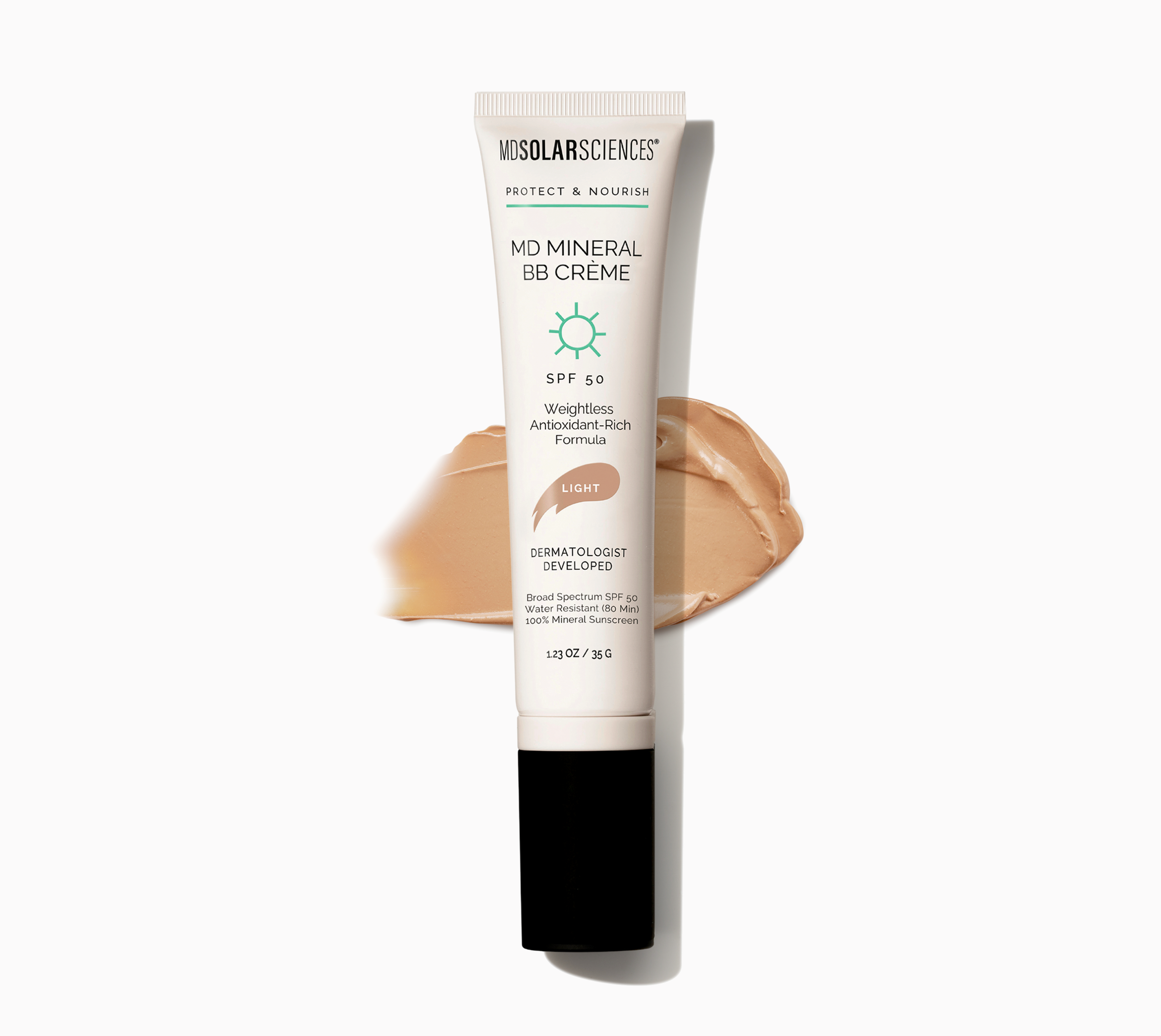
Every June 8th, World Ocean Day reminds us that the choices we make on land have a direct impact on the ocean. One of the simplest swaps you can make if swimming in the ocean this summer? Switching to a reef safe mineral sunscreen. Here's what that means, why it matters, and how MDSolarSciences makes it easy for the whole family. The Sunscreen-Ocean Connection You Need to Know You've probably heard the term "reef safe sunscreen" — but what does it actually mean? Certain chemical sunscreen filters, most notably oxybenzone and octinoxate, have been shown to contribute to coral bleaching and disrupt marine ecosystems. When you swim, sweat, or rinse off, those ingredients wash into the water and can accumulate in reef environments over time. Mineral sunscreens, on the other hand, use zinc oxide and titanium dioxide as their active ingredients — physical blockers that sit on top of the skin and deflect UV rays rather than absorbing them. These ingredients are widely considered safer for marine life, which is why reef safe mineral sunscreen has become the gold standard for ocean-conscious sun protection. At MDSolarSciences, our mineral formulas are proudly reef safe — and dermatologist-developed to perform just as beautifully as they protect. Not All Sunscreens Are Created Equal — Here's What to Look For When shopping for the best mineral sunscreen, especially for daily wear or beach days, here's what matters: Zinc oxide as the active ingredient — the most effective and reef-friendly mineral filter Broad spectrum SPF 30 or SPF 50 — protects against both UVA and UVB rays No oxybenzone or octinoxate — the two most common reef-damaging chemical filters Water resistant up to 80 minutes — especially important for ocean and pool days Dermatologist developed and tested — because your skin deserves clinical-grade protection MDSolarSciences checks every single one of these boxes across our mineral lineup — for adults and kids alike. Our Reef Safe Mineral Sunscreens for Adults Hydrating Mineral Sunscreen That Feels Like Skincare If you've ever skipped sunscreen because it felt heavy, greasy, or left a white cast — our mineral formulas were made to change your mind. We've spent years perfecting lightweight mineral SPF that wears like a premium skincare product, not an afterthought. What to try: Mineral Crème SPF 50 — a hydrating mineral sunscreen with antioxidants, ideal for sensitive skin and daily wear. Non-greasy, non-comedogenic, and dermatologist recommended. Mineral Tinted Crème SPF 30 — our fan-favorite tinted mineral sunscreen that doubles as a lightweight tinted moisturizer with SPF. Blurs, hydrates, and protects in one step. No white cast. Mineral BB Crème SPF 50 — the ultimate mineral BB cream SPF 50 for those who want buildable coverage with broad spectrum protection. Think of it as your new spf tinted moisturizer. HSA and FSA Eligible Sunscreen — Yes, Really Did you know many of our SPF products qualify as HSA/FSA eligible SPF products? Sunscreen with broad spectrum SPF 15 or higher qualifies as a medical expense under IRS guidelines — which means you can use your pre-tax health savings dollars to stock up. Whether you're looking for FSA sunscreen, HSA suncare, or an HSA hydration cream that doubles as your daily moisturizer with SPF, MDSolarSciences has options that work with your benefits. It's one of the smartest ways to invest in your skin — and the ocean. Reef Safe Kids Sunscreen for World Ocean Day If you're heading to the beach with little ones this summer, kids reef safe mineral sunscreen isn't just a nice-to-have — it's a must. Children's skin is more sensitive, and teaching sun-safe habits early protects them for life. Our kids mineral sunscreen line is: Safe for ages 6 months and up Dermatologist developed and tested Free of fragrance, parabens, and harsh chemicals Water resistant up to 80 minutes Available in SPF 40 and SPF 50 Reef safe, cruelty free, and zinc oxide based The Full Kids Mineral Sunscreen Lineup Mineral KidCrème SPF 50 Our kids mineral sunscreen SPF 50 is hypoallergenic, non-comedogenic, and formulated with zinc oxide and vitamin C antioxidants. It's the ideal kids sensitive skin sunscreen mineral formula — gentle enough for babies, effective enough for a full beach day. No white cast, no fragrance, no fuss. Perfect for: everyday sun protection, kids dermatologist developed sunscreen, kids sunscreen for sensitive skin SPF 50 mineral, kids sunscreen for face & body mineral SPF 50, kids mineral sunscreen safe for ages 6 months and up. Mineral KidStick SPF 40 The kids sunscreen stick SPF 40 that parents reach for on the go. Swipe it on, no mess, no residue — and no fighting a squirmy toddler with a bottle. Compact enough for a diaper bag, backpack, or beach tote. Perfect for: kids portable sunscreen stick SPF 40, kids sunscreen stick easy apply kids, kids mineral sunscreen stick backpack SPF 40, kids sunscreen no white cast mineral, kids sunscreen for travel SPF 40. How to Celebrate World Ocean Day With Your SPF Routine This June 8th, here are a few simple ways to honor the ocean while protecting your skin: If you are swimming in the ocean, swap your chemical sunscreen for a reef safe mineral sunscreen — for you and your kids Check your labels — look for zinc oxide or titanium dioxide as the active ingredient, and avoid oxybenzone and octinoxate Reapply every 80 minutes in the water — water resistant doesn't mean waterproof Teach your kids that reef safe kids sunscreen is how we protect the ocean and our skin at the same time Use your HSA or FSA to stock up — FSA suncare is a real thing and MDSolarSciences products qualify The Bottom Line The ocean gives us everything — and the least we can do is choose sun protection that gives back. Reef safe mineral sunscreen isn't a compromise. With MDSolarSciences, it's actually the best sunscreen you'll ever wear: lightweight, hydrating, clinically developed, and available for the whole family from 6 months and up. This World Ocean Day, make the switch. Your skin will thank you. So will the reef. 👉 Shop our full mineral SPF collection at mdsolarsciences.com MDSolarSciences products are dermatologist developed, cruelty free, and formulated without oxybenzone or octinoxate. Our mineral sunscreens are broad spectrum, water resistant up to 80 minutes, and available at Nordstrom, Sephora, Ulta, and mdsolarsciences.com. Select products are HSA/FSA eligible.
Learn more
Your Memorial Day Weekend SPF Guide — Plus Our Biggest Sale of the Season
Memorial Day weekend is officially here — and with it comes the first real taste of summer. Longer days, warmer temperatures, more time outside, and the highest UV index we've seen all year. Whether you're hosting a backyard barbecue, heading to the beach, hitting the hiking trails, or simply enjoying a long weekend with the people you love — this is the weekend that sets the tone for your entire summer skin health. And we want to make sure you're covered. ☀️ The SPF Moments You Can't Skip This Weekend The Barbecue Outdoor gatherings mean hours of sun exposure — often without even realizing it. You're moving around, laughing, eating, and the last thing on your mind is reapplying sunscreen. Build it into your routine before you step outside and keep a Solar Stick SPF 40 nearby for easy touch-ups throughout the day. Swipe it on your nose, ears, and hands — the spots people always forget. The Beach or Pool Water reflects UV rays, which means your exposure is significantly higher near water than on land. Water-resistant SPF is non-negotiable here. Our Quick Dry Body Spray SPF 40 is your best friend — it sprays upside down so you can actually reach your back, dries in seconds, and holds up for 80 minutes of water resistance. Reapply every two hours and every time you towel off. The Long Drive UVA rays — the ones responsible for aging and skin cancer — penetrate car windows. That means your face, hands, and arms are exposed every single time you're in the car. Don't skip face SPF just because you're not "outside." Our Daily Perfecting Moisturizer SPF 30 takes 30 seconds to apply and protects you from dashboard to destination. The Kids Memorial Day is peak outdoor time for little ones — playgrounds, pools, backyard sprinklers, sports. Apply sunscreen before they head out and reapply every two hours without fail. Our Mineral KidCrème SPF 50 is gentle enough for babies 6 months+ and fast enough for the ones who won't stand still. Follow up with the Mineral KidStick SPF 40 for faces and easy reapplication on the go. The Golden Hour Hangout Evening sun still carries UV — especially in late May when the sun sets later. Don't assume you're safe once the afternoon ends. Keep a lip balm and a stick handy for the evening stretch. Our Hydrating Sheer Lip Balm SPF 30 in Crystal is the perfect finishing touch for the golden hour glow. 💎 Don't Forget to Reapply The most common Memorial Day sunscreen mistake? Applying once in the morning and considering yourself protected all day. SPF needs to be reapplied every two hours of sun exposure — and immediately after swimming or heavy sweating. Set a reminder on your phone. Keep a stick in your bag. Make it a family habit before anyone hits the water. It's the smallest habit with the biggest long-term payoff. The MDSolarSciences Memorial Day Sale Is Live 🎉 Now for the good news — because protecting your skin should never break the bank. Our biggest sale of the season is happening right now: 🌟 30% off sitewide 💎 FREE Hydrating Sheer Lip Balm SPF 30 in Crystal with orders $100+ No code needed for the 30% off — it applies automatically at checkout. This is the perfect time to stock up on your favorites, try something new, or grab SPF for the whole family before the summer really kicks in. Our Memorial Day recommendations: Mineral Crème SPF 50 — the everyday face essential Quick Dry Body Spray SPF 40 — the beach and pool must-have Solar Stick SPF 40 — the on-the-go reapplication hero Mineral KidCrème SPF 50 — for babies and kids from 6 months+ Mineral KidStick SPF 40 — the playground essential Daily Perfecting Moisturizer SPF 30 — the 30-second morning routine Hydrating Sheer Lip Balm SPF 30 — 7 shades, SPF built in The sale runs through May 27th — but don't wait too long. Once it's gone, it's gone. Have a beautiful, sun-safe Memorial Day weekend. From everyone at MDSolarSciences — enjoy every outdoor moment. We've got your skin covered. 🤍☀️ Shop the sale at mdsolarsciences.com — 30% off sitewide through May 27th. Free Hydrating Sheer Lip Balm SPF 30 in Crystal with orders $100+. While supplies last.
Learn more
Why Moms Love MDSolarSciences (And Why We Love Moms Right Back)
There's a reason moms have always been our most passionate advocates. It's not because we asked them to be. It's because when you find a sunscreen that actually works — one that goes on fast, doesn't fight your kids, doesn't feel heavy on your own skin, and that you genuinely trust — you tell everyone. That's what moms do. They share what works. And we've spent years making sure MDSolarSciences is worth sharing. Here's why moms love us — and why, honestly, the feeling is completely mutual. 🤍 1. Because Their Kids' Skin Deserves the Best Ask any dermatologist what the single most important thing a parent can do for their child's long-term skin health is, and they'll say the same thing: daily mineral SPF, starting early. About 23% of a person's lifetime UV exposure happens before age 18. The habits built now protect the skin they'll live in for decades. That's not a small thing — and moms know it. Our entire Kids line was built around one goal: make sun protection so easy and so gentle that it actually gets used every single day. Mineral KidCrème SPF 50 is our full-coverage kids face and body crème — 100% mineral actives, fragrance-free, dermatologist-developed, and safe from 6 months+. It absorbs quickly, leaves no white cast, and doesn't sting sensitive eyes. The kind of formula that makes the morning routine feel manageable rather than like a negotiation. Mineral KidStick SPF 40 is the no-mess, no-fight answer to the spots kids always miss — ears, nose tip, back of the neck, hands. One swipe, no rubbing required. It lives in every diaper bag, school bag, and tote we've ever seen a mom carry. KidSpray SPF 40 is for the ones who won't stand still. A non-aerosol pump that covers arms, legs, and backs in seconds. 80-minute water resistance. Safe from 6 months+. The beach bag, pool bag, and playground bag essential. All three are fragrance-free and made without the harsh chemicals that parents worry about most. 2. Because Their Own Skin Matters Too Here's something we've noticed: moms are always the last to put on sunscreen. They do the kids first, then forget themselves entirely. We're here to change that — because protecting your own skin matters just as much. Daily Perfecting Moisturizer SPF 30 was made for the 30-second morning routine. Hyaluronic acid, niacinamide, Vitamin C, ceramides, and peptides — plus broad-spectrum SPF 30 — in one lightweight step. It feels like your favorite moisturizer. It works like a full skincare routine. It's the product busy moms reach for every single morning. Mineral Crème SPF 50 is for the days when you want maximum protection without compromising on feel. A cult-favorite with a natural matte finish, zero white cast, and a weightless texture that wears beautifully under makeup. Broad-spectrum SPF 50 with antioxidants that protect and restore. Dermatologist-developed and genuinely beloved. Advanced Hydration Crème is the PM counterpart — a deeply nourishing moisturizer with ceramides, hyaluronic acid, and calming botanicals that restores skin overnight. Because protection during the day and restoration at night is the routine dermatologists actually recommend. 3. Because SPF Can Be Beautiful Moms told us early on: they didn't want to choose between sun protection and looking good. So we made sure they never have to. BB Crème SPF 50 replaces your foundation step entirely. Sheer, weightless, antioxidant-rich coverage in Light, Medium, Dark and Deep. A lit-from-within finish that looks like great skin — because it is protecting great skin. Mineral Tinted Crème SPF 30 is the sheer tinted SPF that blurs, evens, and protects in one silky step. The product that lives on bathroom counters everywhere. Cheek Crème SPF 30 — the world's best SPF blush. Buildable, blendable color in Magic Hour (warm rose) and Heat Wave (peachy coral) with broad-spectrum mineral protection baked in. A product that moms have been telling their friends about since the day it launched. Hydrating Sheer Lip Balm SPF 30 in 7 gorgeous shades (Dream, Spice, Bare, Crystal, Blush, Shimmer, Ruby) — because lips are one of the most sun-exposed and most forgotten areas on the face. This is the SPF step that feels like a treat. 4. Because Easy Is Everything We don't need to tell moms that time is precious. They already know. Everything in our line is designed to work fast, feel good, and ask as little of you as possible. No white cast to rub in. No greasy residue to wait for. No stinging, no heaviness, no fighting with your kids to get it on. The Solar Stick SPF 40 is proof of that philosophy. Drop it in your bag. Pull it out at the playground, the soccer game, the beach. Swipe it on faces, ears, hands — yours and theirs. Three seconds. Done. No mess, no re-application drama. The Gleam + Glow SPF 50 is the final step that makes the whole routine feel worth it — a luminous, skin-perfecting SPF that gives a beautiful healthy glow while protecting every inch of skin it touches. 5. Because We Were Built Around Trust MDSolarSciences was founded by Dr. Robert Friedman — one of the pioneers of the ABCDE's for melanoma detection. Sun protection isn't a trend for us. It's a mission. Every formula is dermatologist-developed. Every active ingredient is intentional. Every texture is tested until it's something you actually want to wear. Moms have trusted us with the most important thing in their lives — their children's skin. We don't take that lightly. We never will. The Bottom Line Moms love MDSolarSciences because it works, because it's safe, and because it makes protecting the whole family feel effortless rather than exhausting. And we love moms because they've always been our most honest, most passionate, most powerful advocates — long before influencer marketing was even a concept. You've always been our OG. 🤍 Explore the full MDSolarSciences collection for moms, babies, and families at mdsolarsciences.com
Learn more
Celebrate Earth Day with 25% Off MDSolarSciences
Earth Day only comes once a year — and this year, we're celebrating the way we know best: with SPF. 🌊☀️ From now through April 26th, MDSolarSciences is offering 25% off sitewide. Whether you've been eyeing our bestselling Mineral Crème SPF 50, stocking up on our Kids line, or finally trying our cult-favorite Cheek Crème SPF 30, now is the perfect time to make it happen. Why We Celebrate Earth Day At MDSolarSciences, protecting the environment isn't an afterthought — it's built into our formulas. Every product in our line is made without Oxybenzone and Octinoxate, the two chemical sunscreen ingredients most linked to coral reef damage and ocean toxicity. These ingredients are banned in Hawaii, Key West, and several other destinations for good reason. When you choose mineral SPF, you're not just protecting your skin. You're protecting the ocean, the reefs, and every living thing that depends on them. That feels worth celebrating. 🌿 Shop the Earth Day Sale Here's what we recommend adding to your cart before the sale ends: For Your FaceOur Mineral Crème SPF 50 is the gold standard for daily facial SPF — sheer, weightless, no white cast, and enriched with antioxidants including Vitamin C and Pomegranate Extract. Matte finish, all-day wear, dermatologist-developed. It's the one your dermatologist has been telling you to wear every day. For Your BodyOur Quick Dry Body Spray SPF 40 — named Best Sunscreen Spray in the 2026 AskMen Grooming Awards — features a 360° nozzle that sprays upside down so you can actually reach your back. Broad spectrum, water-resistant for 80 minutes, and quick-drying so you can get outside faster. For Your KidsOur Mineral KidCrème SPF 50 and Kids Quick Dry Spray SPF 40 are all fragrance-free, and safe from 6 months+. Dermatologist-developed for the skin they're growing into — because protecting them early is the greatest gift you can give their future skin. For Your LipsYour lips are one of the most sun-exposed and most forgotten areas on your face. Our Hydrating Sheer Lip Balm SPF 30 comes in 7 gorgeous shades — Dream, Spice, Bare, Crystal, Blush, Shimmer, and Ruby. SPF that feels like a treat. How to Shop the Sale The Earth Day sale is simple — 25% off automatically applies sitewide at checkout. No code needed. Just shop your favorites at mdsolarsciences.com and the discount will be reflected in your cart. The sale runs through April 26, 2026, so don't wait too long. Once it's gone, it's gone. Stock Up Before Summer Earth Day also marks something important for your skin: the beginning of peak UV season. UV index levels rise significantly from late April through August, meaning your daily SPF habit matters more now than at any other time of year. This sale is the perfect opportunity to stock up, try something new, or finally build the SPF routine your skin deserves — at 25% off. Shop the full collection at mdsolarsciences.com. ☀️🤍 Sale ends April 26, 2026. Discount applied automatically at checkout. While supplies last.
Learn more
The Parent's Guide to Kids' Sunscreen: What to Look For (and What to Avoid)
Walk down any sunscreen aisle and the options are overwhelming. "Natural." "Reef-safe." "Gentle." "Clean." These words are everywhere, and almost none of them are regulated. That means a sunscreen can slap "natural" on the label while still containing a long list of ingredients you'd probably prefer to keep off your child's skin. As a parent, you shouldn't have to have a chemistry degree to choose a safe sunscreen. But knowing a few key things — what to look for, what to skip, and why it matters more for kids than adults — makes all the difference. This is your no-fuss, dermatologist-backed guide to choosing the right sunscreen for your child, from babies as young as 6 months all the way through the school years. Why Kids' Skin Needs Extra Attention Children's skin isn't just adult skin in a smaller size. It's thinner, more permeable, and still developing its natural protective barrier. That means what you put on it gets absorbed more readily — and the cumulative effects over a lifetime start early. Here's a number that should stay with every parent: about 23% of a person's lifetime UV exposure happens before the age of 18. And having more than five sunburns in a lifetime doubles the risk of melanoma. The habits you build now — putting SPF on your kids before they head outside, making it a non-negotiable part of any outdoor day — are genuinely protective for the rest of their lives. The American Academy of Dermatology recommends that all children, regardless of skin tone, wear broad-spectrum sunscreen with SPF 30 or higher. Every single day. And for babies under 6 months, the recommendation is simple: keep them out of direct sunlight and use protective clothing, shade, and hats instead. Sunscreen is not approved for use on infants under 6 months old. Once your baby reaches 6 months, sunscreen becomes your best friend. But not just any sunscreen — the right one. What to Look For in a Kids' Sunscreen 1. Mineral formula (zinc oxide and/or titanium dioxide) This is the single most important box to check. Mineral sunscreens — also called physical sunscreens — use zinc oxide and titanium dioxide as their active ingredients. These minerals sit on top of the skin and physically deflect UV rays rather than absorbing into the skin and converting them to heat. Why does this matter for kids specifically? Because mineral sunscreens don't get absorbed into the bloodstream the way many chemical filters do. They work immediately upon application (no 15–30 minute wait required), and they're far less likely to irritate sensitive skin. Dermatologists overwhelmingly recommend mineral formulas for babies and children — and the FDA currently recognizes only two sunscreen ingredients as Generally Recognized as Safe and Effective (GRASE): zinc oxide and titanium dioxide. For the cleanest, most protective option, look for non-nano zinc oxide specifically. "Non-nano" means the particles are large enough that they can't penetrate the skin, staying entirely on the surface where they do their job as a physical shield. 2. Broad-spectrum protection The SPF number alone only tells you how well a sunscreen protects against UVB rays — the ones that cause sunburn. UVA rays, which penetrate deeper into the skin and are responsible for long-term aging and increased skin cancer risk, require separate coverage. "Broad-spectrum" on the label means you're protected against both. Never buy a kids' sunscreen without it. 3. SPF 30 at minimum, SPF 50 for active days For everyday use, SPF 30 blocks approximately 97% of UVB rays. For longer outdoor days — beach trips, sports games, pool days — reach for SPF 50 or higher. No sunscreen blocks 100% of UV rays, which is why reapplication every two hours is non-negotiable regardless of SPF level. 4. Water resistance Kids and water are inseparable. A water-resistant formula will maintain its protection for 40–80 minutes of water exposure, depending on the rating. Always reapply immediately after your child towels off — water-resistant doesn't mean waterproof, and toweling removes sunscreen even if it hasn't fully worn off yet. 5. Fragrance-free Fragrance is one of the most common causes of skin irritation and allergic reactions in children. Fragrances — which can hide hundreds of undisclosed chemicals under the umbrella term "fragrance" or "parfum" on ingredient labels — are unnecessary in sunscreen and best avoided entirely for young, sensitive skin. If the sunscreen smells like coconuts or vanilla, double-check the label. 6. Easy application This one matters more than parents give it credit for. The best sunscreen for your child is the one you'll actually use consistently — and use correctly. Formulas that are hard to apply, leave a heavy white cast, or require a lot of rubbing in are going to get skipped on the mornings when you're rushing out the door. Sticks, sprays, and lightweight crèmes that glide on quickly and absorb easily remove the friction from the routine. What to Avoid in Kids' Sunscreen This is where label reading really pays off. Here are the ingredients that raise the most concern, particularly for children: Oxybenzone This is the most significant chemical filter to avoid in kids' sunscreen. Oxybenzone is readily absorbed through the skin at levels that have raised concern among researchers, and studies have found it in human blood, urine, and breast milk after typical sunscreen use. The Centers for Disease Control found oxybenzone levels in people correlated directly with how much sunscreen they used. There is mounting evidence of its endocrine-disrupting properties — meaning it can interfere with the body's hormone function. It's also been banned in Hawaii and several other jurisdictions due to its devastating impact on coral reefs. The American Academy of Pediatrics suggests avoiding oxybenzone in children's sunscreen when possible. Octinoxate Another common chemical UV filter that has been linked to potential hormonal effects and environmental harm. Like oxybenzone, it's banned in Hawaii specifically because of reef toxicity. Studies have shown it can be absorbed through the skin and detected in blood. Homosalate A UV-absorbing chemical filter that has drawn concern from regulators in Europe, where the European Commission concluded it was not safe at concentrations up to 10% and recommended a maximum of just 1.4%. The U.S. currently allows concentrations up to 15%. Given the developing hormonal systems of children, this is an ingredient worth steering clear of. Parabens Parabens (look for methylparaben, propylparaben, butylparaben, ethylparaben on the label) are preservatives commonly used in cosmetics and sunscreens. They've been associated with hormone disruption due to their ability to mimic estrogen in the body. Many brands have moved away from them, but always check the label. Fragrance / Parfum As mentioned above: fragrance is a catch-all term that can legally mask hundreds of undisclosed chemical compounds, some of which are known allergens, hormone disruptors, or irritants. With children's sensitive skin, there's simply no reason to accept it. Aerosol spray sunscreens Spray sunscreens are tempting for their convenience, but for children specifically, the concern is inhalation. When you spray near a child's face or in windy conditions, there's a real risk of your child breathing in the formula. Non-aerosol pump sprays or sprays applied to your hands first and then rubbed onto the skin are a much safer option for kids. Sunscreen by Age: A Quick-Reference Guide Under 6 months: No sunscreen. The AAP recommends keeping infants out of direct sunlight entirely and using physical barriers — shade, hats, lightweight long sleeves, a stroller canopy. If sun exposure is unavoidable, consult your pediatrician. 6 months – 2 years: A mineral sunscreen with zinc oxide is your only option here. Choose fragrance-free, hypoallergenic formulas specifically designed for sensitive baby skin. Sticks are particularly easy to apply quickly on squirmy babies. SPF 40–50 is ideal. Toddlers & preschoolers (2–5 years): Same mineral-only rule applies. Sticks and sprays make application faster for kids who don't want to stand still. Look for water-resistant formulas since this age group tends to be in and out of water constantly. School-age kids (6+): Continue with mineral formulas. Consider portability — a stick that lives in their backpack means they can reapply at recess or sports practice without needing help. Tweens & teens: Mineral is still best, but this is also the age where you might consider non-comedogenic formulas if acne is a concern. A tinted mineral sunscreen can double as a light coverage product for teens who are starting to care about their appearance. The MDSolarSciences Kids Line: Built for This Here's what we recommend for every scenario: For the playground and on-the-go: Mineral KidStick SPF 40 The fastest application in the kids' sunscreen game. Swipe it on in seconds — no rubbing required, no white cast, no mess. Fragrance-free and water-resistant, it fits in a diaper bag, a backpack, or your pocket. For any parent who has ever tried to apply lotion to a child who is already sprinting toward the slide, this stick is the answer. Safe from 6 months+. Non-comedogenic. Reef-safe. For full-body coverage: Mineral KidCrème SPF 50 A hypoallergenic, dermatologist-tested SPF 50 mineral lotion that provides serious broad-spectrum protection in a lightweight, non-greasy formula. Perfect for applying before you leave the house — on arms, legs, face, and neck — when you have a few extra minutes to do it right. The gentle formula is specifically designed for young, sensitive skin. Hypoallergenic. Fragrance-free. Zinc oxide-based. Safe from 6 months+. For beach days and pool days: KidSpray SPF 40 A non-aerosol pump spray that covers backs, shoulders, and legs quickly without wrestling a squirming child to the ground. No propellants, no harsh chemicals — apply to your hands first and smooth on, or spray at a slight distance for even coverage. Water-resistant and lightweight. Non-aerosol. Broad-spectrum. Safe from 6 months+. How to Apply Kids' Sunscreen Correctly Even the best sunscreen only works if it's applied properly. Here's the breakdown: How much: Use about one ounce (a full shot glass) for a child's whole body. Most people — adults and parents applying to kids — use about half of what they actually need. Be generous. When: Apply 15 minutes before going outside. Mineral sunscreens work immediately on contact, but giving it time to settle ensures even coverage. Where: Don't forget ears, the back of the neck, tops of feet, the part in the hair, and the backs of hands. These are the spots that get missed most often and burn the fastest. Lips: Children's lips need SPF too. An SPF lip balm is an easy add-on to any outdoor outing. How often: Every two hours when outdoors. Every time your child gets out of the water or towels off. If they're sweating heavily, reapply sooner. On cloudy days: Yes, still. Up to 80% of UV rays penetrate cloud cover. The UV index doesn't take a day off just because the sky is grey. The Bottom Line for Parents Choosing a sunscreen for your child doesn't have to be complicated — it just requires knowing what to look for and what to leave on the shelf. The short version: go mineral, go fragrance-free, go broad-spectrum, and go SPF 30 or higher. Check the label for oxybenzone,parabens, and fragrance — and put it back if you find them. The habit of daily SPF starts young. Building it into your family's outdoor routine now — sunscreen before shoes, before you leave the house, before anything else — is one of the most protective things you can do for your child's long-term skin health. At MDSolarSciences, our entire Kids line was developed with exactly this in mind: clean, formulas that are gentle enough for the most sensitive skin, fast enough for the most impatient kids, and effective enough to give parents real peace of mind. Shop the MDSolarSciences Kids SPF Collection →
Learn more
How to Build a Spring SPF Skincare Routine (That You'll Actually Stick To)
Spring has a way of making everything feel like a fresh start — your wardrobe, your space, your energy. So why not your skin? As temperatures rise and you're spending more time outdoors, spring is one of the most important moments to reassess your skincare routine — and if SPF isn't already at the center of it, this is your sign to make it one. The good news? Building a spring SPF skincare routine doesn't have to be complicated. In fact, the best routines in 2026 are the simplest ones. Dermatologists agree: fewer products, smarter formulas, and consistent daily habits beat a ten-step regimen every time. Here's how to build a spring skincare routine with SPF at its core — one that's easy enough to stick to every single day. Why Spring Is the Right Time to Reset Your SPF Routine Winter skincare tends to be heavy — thick moisturizers, barrier-repair creams, the works. But as the seasons shift, so does your skin's relationship with the sun. Days get longer, UV index climbs, and you're outside more — walking to work, running errands, grabbing coffee on a patio. And all of that adds up. Here's the thing: UV exposure doesn't wait for summer. UVA rays — the ones responsible for premature aging, fine lines, and hyperpigmentation — are present year-round and penetrate glass. A drive with your window down, a lunchtime walk, even sitting near a sunny window counts as exposure. Studies show that up to 90% of visible skin aging comes from cumulative, unprotected daily sun exposure — not beach days. Spring is also the moment when search behavior shifts. People start looking for lighter formulas, refreshed routines, and products that feel good in warmer weather. If your current sunscreen feels too heavy, too greasy, or just hasn't been replaced since last year (yes, SPF expires), spring is the right time to start fresh. The 2026 Approach: Simple, Smart, Consistent The dominant skincare philosophy in 2026 is all about doing less, better. Dermatologists and beauty editors agree: after years of complicated multi-step routines and layering ten different actives, consumers are simplifying — and their skin is thanking them for it. The smartest spring 2026 routine isn't the longest one. It's the one you'll actually do every morning without thinking. And the single most impactful step you can add — or double down on — is daily broad-spectrum SPF. Think of SPF not as a last-minute add-on after your moisturizer, but as the anchor of your morning routine. Everything else layers underneath it. When SPF is your non-negotiable, the rest of your routine gets easier. Your Step-by-Step Spring SPF Skincare Routine Step 1: Cleanse Start with a clean slate. In spring, you can often lighten up your cleanser compared to winter — something gentle that removes overnight products, sweat, and environmental buildup without stripping the skin barrier. A clean base means your SPF goes on evenly and adheres better throughout the day. Step 2: Treat (Optional, But Powerful) If you use a serum — vitamin C is a standout spring choice, since it brightens, targets sun-related dark spots, and pairs beautifully with SPF — apply it here. Antioxidant serums and SPF work as a team. The antioxidants neutralize free radicals that slip past your sunscreen; the SPF deflects UV rays before they can cause damage. Together, they're your best defense against the kind of sun damage you can't see yet. Step 3: Moisturize Depending on your skin type, you may need a separate moisturizer under your SPF, or you may find your sunscreen doubles as all the hydration you need, our Daily Perfecting Moisturizer SPF 30 would be a great option. In spring, many people find they can scale back from rich winter creams to lighter textures. Step 4: SPF — The Most Important Step This is where everything comes together. Your SPF goes on last in your skincare routine (before makeup, if you wear it), and it's the step you simply cannot skip. What to look for in a spring/summer face SPF: Broad-spectrum protection against both UVA and UVB rays SPF 30 at minimum for daily use Mineral formula using zinc oxide and/or titanium dioxide — gentle, effective, and reef-safe A texture you love — because you'll actually wear it if it feels good on your skin Step 5: Lip SPF Your lips are one of the most exposed and most neglected areas when it comes to sun protection. Lip skin is thinner than facial skin, contains very little melanin, and can't protect itself. A tinted lip SPF is one of the easiest upgrades to your spring routine. The MDSolarSciences Spring Lineup The right products make sticking to a routine effortless. Here's what we recommend building your spring SPF routine around: For Your Face Mineral Crème SPF 50 Our cult-favorite, dermatologist-developed mineral sunscreen goes on weightless, dries to a natural matte finish, and layers seamlessly under or over makeup. Powered by zinc oxide, it's formulated for all skin types and packed with antioxidants including green tea, cranberry, and pomegranate extracts. This is the one to reach for if you want serious protection with zero compromise on texture. Best for: oily, combination, and normal skin types. Mineral Tinted Crème SPF 30 Part sunscreen, part skin-evening tint, part hydrator — this is the multitasking formula your spring routine has been waiting for. The universal tint blurs and evens skin tone while the silky, antioxidant-rich formula nourishes as it protects. Wear it alone for that "your skin but better" look, or as a base before makeup. Best for: dry, sensitive, and combination skin types. Daily Perfecting Moisturizer SPF 30 If you're looking to streamline your morning routine without sacrificing any steps, this moisturizer-SPF hybrid is your answer. Lightweight, hydrating, and broad-spectrum — it replaces your separate moisturizer and sunscreen in one move. Perfect for those "just keep it simple" mornings. Best for: all skin types, especially on low-maintenance days. For Your Body Don't forget your arms, chest, and the back of your hands — easily the most UV-exposed areas in daily life and the most commonly skipped. Quick Dry Body Spray SPF 40 A lightweight, non-greasy spray with a 360° nozzle for quick, even coverage. It dries fast, leaves no residue, and goes on over skin before you head out the door. Water-resistant and packed with antioxidants, it's a spring and summer staple for the whole body. For Your Lips Hydrating Sheer Lip Balm SPF 30 Tinted, hydrating, and SPF 30 — this lip balm earns its spot in your routine and your bag. It goes on sheer, feels nourishing, and protects the area most people forget about. Available in multiple shades so you can wear it as your only lip product. For On-the-Go Reapplication Solar Stick SPF 40 The key to actually sticking to SPF reapplication is making it easy. This pocket-friendly mineral stick goes anywhere — toss it in your bag, keep one in your car, one on your desk. Water-resistant, fragrance-free, and safe for the whole family (6 months+). How to Actually Stick to Your SPF Routine This Spring Knowing what to use is step one. Building the habit is step two. Here are a few tricks that make it stick: Keep your SPF visible. Leave it next to your toothbrush, your coffee maker, or wherever your morning always takes you. Out of sight really does mean out of mind. Find a formula you love the feel of. The biggest reason people skip SPF is texture. If your sunscreen feels greasy, smells odd, or leaves a white cast, you will find reasons to skip it. Try different formulas until you find one that feels genuinely good — that's the one you'll use every day. Stack your habits. SPF works best when it's attached to something you already do automatically. "After moisturizer" or "before makeup" are natural anchor points. Set your routine in that order and it becomes reflexive within a week. Reapply — yes, really. Applying SPF once in the morning covers you for about 80 minutes of outdoor sun exposure. If you're spending time outside, set a reminder or keep your Solar Stick on hand for easy midday reapplication. Even a quick once-over on your face and the back of your hands makes a meaningful difference. Check your expiration date. SPF formulas degrade over time. If your sunscreen is past its expiration or has been sitting in a hot car all summer, it may not be offering the protection you think it is. Spring is a great time to refresh your supply. The Bottom Line A spring SPF skincare routine doesn't have to be complicated to be effective. Cleanse, treat if you like, moisturize if you need to, and then — without fail — protect. That's the whole framework. The magic is in the consistency. Whether you're rebuilding your routine from scratch or simply swapping out a winter formula for something that feels right for warmer days, we've got you covered. This spring, make SPF your non-negotiable. Your future skin will thank you. Shop the Spring SPF Lineup →
Learn more
Sensory-Friendly Skincare: Why Sunscreen Texture Matters
Sensory-Friendly Skincare: Why Sunscreen Texture Matters For people with sensory sensitivities, skincare isn't just about results, it's about how products feel on the skin. Finding a sensory-friendly sunscreen can make the difference between wearing SPF daily or avoiding it altogether. For individuals who are autistic, have ADHD, anxiety, migraines, or postpartum sensory sensitivity, certain textures can feel overwhelming instead of comfortable. What is sensory-friendly sunscreen? Sensory-friendly sunscreen focuses on wearability as much as protection. For sensory-sensitive individuals, ideal sunscreen textures often include: • Lightweight formulas • Quick dry-down • Non-greasy finishes • No lingering wet or cooling sensation • Soft matte feel These characteristics can help sunscreen feel comfortable enough for everyday use. Why some sunscreens can trigger sensory discomfort Some sunscreens contain high water or alcohol content that creates a cooling or evaporating sensation. While many people don’t notice this feeling after application, sensory-sensitive individuals may continue to feel this sensation longer, making sunscreen feel distracting or uncomfortable. Because daily SPF is essential for skin protection, finding a comfortable formula can help support consistent use. A real experience with sensory-friendly mineral sunscreen Creator Rebecca Luckett shared her experience using MDSolarSciences Mineral Crème SPF 50 as someone with sensory sensitivities: "Many sunscreens create a prolonged cooling or wet sensation as they evaporate. That sensation can be a big sensory trigger for me and made me dread putting on sunscreen." She explained that sensory-sensitive individuals may continue to register skin sensations longer than others, making texture especially important. "This formula applies smoothly and dries down into a soft matte finish without that lingering evaporation phase. Once it's on, my skin doesn't feel aware of it anymore, which makes it easy to use consistently." Why mineral sunscreen can be a good option for sensory-sensitive skin Mineral sunscreens, especially those formulated for cosmetic elegance, can sometimes provide a more comfortable experience because they are designed to sit on the skin and provide a soft finish. MD Solar Sciences Mineral Crème SPF 50 is formulated to provide: • Broad spectrum mineral protection • Lightweight texture • Smooth application • Comfortable everyday wear Because the best sunscreen is the one you can wear consistently. The importance of wearable SPF Daily sunscreen is one of the most important steps in protecting skin health. For people with sensory sensitivities, texture and comfort aren't just preferences, they are essential factors in making sun protection accessible. As skincare evolves, sensory-friendly formulations are becoming an important part of making sun protection inclusive for more people.
Learn more
Spring Break Ready: Why SPF Should Be the First Thing You Pack
Daily SPF isn't just for vacation — it's one of the most important steps you can take to protect your skin year-round.
Learn more
What Is Non-Nano Zinc Oxide Sunscreen and Why Does It Matter?
Mineral protection trusted by dermatologists.
Learn more