Blog: Everything Under the Sun


SPF Doesn't Take a Season Off — Here's Why You Should Wear Sunscreen All Year Long
The Biggest Sunscreen Myth: SPF Is a Summer Product It isn't. We know it feels that way. The marketing, the beach imagery, the "stock up for summer" messaging, all of it has trained us to think of sunscreen as a warm-weather accessory, like sandals or a wide-brimmed hat. Something you reach for when the sun is blazing and you're heading to the pool. But UV radiation doesn't follow the calendar. It doesn't pack up in September and come back in June. And the damage it causes: premature aging, hyperpigmentation, DNA damage, and skin cancer risk accumulates every single day, every single season, whether you feel it or not. Fall is actually one of the most important times to have this conversation. Because this is exactly when people stop. What UV Radiation Actually Does Year Round To understand why year-round SPF matters, you need to understand the two types of UV rays and how they behave differently across the seasons. UVB Rays are the rays responsible for sunburn. They're strongest in summer and at high altitudes, and they do vary with the seasons, you're less likely to burn on a December afternoon than a July one. UVB is what most people think about when they think about sun protection. UVA Rays are the real year-round threat. UVA rays account for up to 95% of the UV radiation that reaches the earth's surface. They penetrate deeper into the skin than UVB (reaching the dermis where collagen and elastin live) and they are responsible for the majority of visible skin aging, hyperpigmentation, and long-term DNA damage. Here's the critical part: UVA levels remain relatively constant throughout the year. The sun may feel less intense in October than in July, but your UVA exposure is nearly the same. The wrinkles, the dark spots, the loss of elasticity that damage is happening 365 days a year. 7 Reasons to Wear SPF All Year Long 1. UVA Rays Don't Take a Season Off As we just covered — UVA radiation is essentially constant year-round. The "it's not sunny enough to need sunscreen" logic only applies to UVB (sunburn). For the aging, pigmentation, and long-term skin cancer risk driven by UVA, every day counts. Every commute. Every errand. Every Zoom call by a window. 2. Clouds Don't Block UV Radiation Up to 80% of UV rays pass right through cloud cover. That overcast October sky? Still delivering a significant dose of UV radiation to your unprotected skin. One of the most common times people get burned is on cloudy days — precisely because they skipped their SPF. 3. Your Car Window Is Not Protection UVA rays penetrate glass. Your windshield offers some protection, but your side windows typically do not block UVA at all. If you commute, drive to school pickup, or sit near a window at the office, your skin is receiving consistent UV exposure — one side of your face more than the other, over years and decades. Dermatologists see this asymmetry in their offices every day. 4. Fall and Winter Activities Increase UV Exposure Heading to a pumpkin patch? Apple picking? A fall hike? Skiing in the winter? Outdoor UV exposure doesn't end with summer. In fact, some fall and winter activities come with amplified UV risk: High altitude — UV intensity increases approximately 8-10% for every 1,000 meters of elevation. Ski trips mean significantly elevated UV exposure. Snow reflection — fresh snow reflects up to 80% of UV radiation, nearly doubling your exposure compared to being on flat ground. Leaf peeping road trips — hours in the car with sun coming through windows adds up quickly. 5. SPF Is the #1 Anti-Aging Ingredient Dermatologists are unanimous: daily broad spectrum SPF is the single most effective anti-aging product in existence. Studies estimate that up to 90% of visible skin aging: fine lines, wrinkles, dark spots, sagging, loss of radiance is caused not by the natural aging process but by cumulative UV exposure. The skin you'll have in your 50s, 60s, and 70s is being shaped by what you do today. Every day you protect your skin is a deposit into a long-term account. Every day you skip is a withdrawal. Fall is not the time to pause that investment. It's the time to double down. 6. Your Hyperpigmentation Will Get Worse Without It If you struggled with dark spots, melasma, or post-acne marks this summer, here's the hard truth: UV exposure is the number one factor that makes hyperpigmentation worse. Even on a cloudy fall day, unprotected UV exposure can deepen existing pigmentation and slow the fading process significantly. If you're using brightening serums, vitamin C, or retinol to address pigmentation, all of that work is being undermined every time you step outside without SPF. Those actives make your skin more photosensitive, not less. Fall and winter are when people typically introduce retinol into their routines. SPF is non-negotiable alongside it. 7. Skin Cancer Doesn't Take a Season Off Either Skin cancer is the most common cancer in the United States. One in five Americans will develop skin cancer in their lifetime. And while summer beach days get most of the attention, the cumulative UV exposure that drives skin cancer risk is built up over a lifetime every day, every season, every decade. The most effective thing you can do to reduce your skin cancer risk is also the simplest: wear broad spectrum SPF every single day. Not just in June. Every day. The Fall Routine Reset: What to Use Fall is actually the perfect time to reassess your SPF routine. As the weather changes and your skin's needs shift (typically toward more hydration and less oil control) your SPF formula might shift too. Here's what to look for in a year-round daily SPF: Hydrating formula — as temperatures drop and indoor heat increases, skin tends to get drier. Look for SPF formulas that double as moisturizers, with ingredients like hyaluronic acid, ceramides, and glycerin. Broad spectrum protection — meaning protection against both UVA and UVB rays. Non-negotiable, year-round. SPF 30 or higher — dermatologists recommend SPF 30 as the daily minimum. SPF 50 for higher-risk skin or more time outdoors. Lightweight, wearable texture — the best SPF is the one you'll actually use every day. If it feels heavy, greasy, or leaves a white cast, you'll skip it. Choose a formula that feels like skincare, not an afterthought. The MDSolarSciences Year-Round Lineup At MDSolarSciences, every formula was developed by dermatologists with daily, year-round wear in mind. Because we've always believed that the best sunscreen is the one that feels good enough to actually wear — every morning, every season, without exception. For your face — daily protection: Daily Perfecting Moisturizer SPF 30 — your moisturizer and your SPF in one step. Hyaluronic acid, niacinamide, and broad spectrum SPF 30 for the whole year. Mineral Crème SPF 50 — lightweight, non-greasy, sensitive skin-friendly. The daily SPF that disappears into skin. Mineral Tinted Crème SPF 30 — sheer tinted coverage with broad spectrum SPF 30. Your makeup and your SPF, combined. Gleam + Glow SPF 50 — for the days you want radiance with your protection. Ceramides, niacinamide, and Snow Mushroom for all-day hydration. For your body: Quick Dry Body Spray SPF 40 — non-aerosol, broad spectrum mineral protection. Fast, easy, no excuses — year-round. For the whole family: Mineral KidCrème SPF 50 — safe from 6 months+, gentle for sensitive skin, water resistant up to 80 minutes. Mineral KidStick SPF 40 — one swipe, no mess, no meltdown. For faces, ears, and noses year-round. Make It a Habit, Not a Season The shift from thinking about SPF as a summer product to thinking about it as a daily non-negotiable — like brushing your teeth or taking your vitamins — is one of the most powerful things you can do for your long-term skin health. Your skin doesn't know what month it is. UV radiation doesn't check the calendar. And the damage it causes doesn't care whether you were at the beach or walking to your car on a rainy Tuesday in November. Wear your SPF. Every day. Every season. Your future skin is counting on it. 👉 Shop MDSolarSciences year-round SPF at mdsolarsciences.com — and right now, enjoy 30% off sitewide during our Labor Day sale. MDSolarSciences formulas are dermatologist-developed, broad spectrum, reef safe, and cruelty free. Available at Nordstrom, Sephora, Ulta, and mdsolarsciences.com. Select products are HSA/FSA eligible.
Learn more
The Real ROI of Daily Sun Protection
The Summertime Trap We've been conditioned to think of sunscreen as a beach bag essential — something you grab on the way to the pool and forget about the moment fall arrives. But UV radiation doesn't take a vacation when summer ends. It doesn't clock out when it's cloudy. It doesn't stop coming through your car window on the way to work or your office window while you're on a Zoom call. The sun is there every single day. And so is the damage — whether you feel it or not. This is the summertime trap: treating SPF like a seasonal accessory rather than what it actually is — the most powerful long-term investment you can make in your skin. What UV Damage Actually Does Over Time UV radiation causes two distinct types of damage: Short-term: Sunburn, redness, inflammation. The kind you feel. Long-term: DNA damage at the cellular level, collagen breakdown, elastin degradation, hyperpigmentation, and ultimately — the structural changes that we call premature aging. The kind you don't feel until it shows up in the mirror years later. Here's what makes the long-term damage so insidious: it's cumulative. Every day you spend unprotected — even a cloudy Tuesday, even your commute, even sitting by a window — adds to a lifetime total of UV exposure that your skin is quietly absorbing and recording. Dermatologists call it "photoaging." And studies estimate that up to 90% of visible skin aging is caused by UV exposure, not the natural aging process itself. That means most of what we associate with getting older — fine lines, wrinkles, dark spots, sagging, loss of radiance — is largely preventable. Not with expensive treatments or miracle serums. With a product that costs less than your morning coffee per application. SPF. The Real ROI of Daily Sun Protection Think about the investments people make in their skin every year: serums, retinols, vitamin C, professional treatments, facials, laser resurfacing. These are meaningful tools — but most of them are corrective. They're working to fix damage that has already occurred. SPF is preventive. And prevention, in every domain, is exponentially more effective and more affordable than correction. A single laser treatment to address sun damage can cost thousands of dollars. A daily SPF moisturizer costs a fraction of that — and prevents the need for the laser in the first place. The math is simple. The commitment is what's hard. What a Daily SPF Habit Actually Looks Like The good news: daily SPF doesn't require a complicated routine or an extra step. The best approach is to make it the same as brushing your teeth — non-negotiable, automatic, year-round. Morning: Apply a broad spectrum SPF 30 or higher after your moisturizer — or use a tinted SPF moisturizer that does both jobs in one step. This is your baseline, 365 days a year. Midday: Reapply if you're spending time outdoors, near windows, or have been sweating. A quick swipe of an SPF stick or a spritz of SPF setting spray takes less than 30 seconds. Year-round: UVA rays — the ones responsible for aging and DNA damage — are present at relatively consistent levels all year, regardless of season, cloud cover, or temperature. Winter sun in the mountains can be more intense than summer sun at the beach. There is no "safe" month. The Skin Conditions That Make Daily SPF Non-Negotiable Daily broad spectrum SPF isn't just for anti-aging. It's the first line of defense for: Hyperpigmentation and dark spots: UV exposure triggers melanin production — the same process that causes tanning also causes dark spots, melasma, and post-inflammatory hyperpigmentation. Daily SPF is the most effective treatment and prevention for uneven skin tone. Rosacea: UV radiation is one of the most common rosacea triggers. Daily mineral SPF — which sits on top of the skin rather than causing a heat reaction — is the single most recommended lifestyle intervention for rosacea management. Acne scarring: Post-acne marks darken and become more permanent with UV exposure. Daily SPF is essential for preventing scarring from becoming long-term discoloration. Sensitive skin: UV exposure compromises the skin barrier over time, making sensitive skin more reactive. Daily SPF protects and strengthens the barrier. Post-procedure skin: After any professional treatment — laser, chemical peel, microneedling — the skin is especially vulnerable to UV damage. Daily SPF isn't optional during recovery; it's what protects your investment. The Mindset Shift That Changes Everything The most powerful shift you can make in your skincare journey is this: stop thinking about SPF as sun protection and start thinking about it as skin preservation. You wouldn't skip moisturizer because it's not summer. You wouldn't stop brushing your teeth because the weather got cold. Skin protection is the same — it's a daily commitment to your future self. The version of you in your 50s, 60s, and 70s is being shaped by the choices you make right now. Every day you protect your skin is a deposit into a long-term account. Every day you skip it is a withdrawal. Invest in your skin like you invest in your health — consistently, intelligently, and for the long term. What to Look For in Your Year-Round SPF Not all sunscreens are created equal for daily, year-round wear. Here's what matters: Broad spectrum — protects against both UVA (aging) and UVB (burning) rays. Non-negotiable. SPF 30 or higher — the minimum dermatologists recommend for daily protection. SPF 50 for higher-risk skin or extended outdoor time. Lightweight, wearable formula — if it feels good on your skin, you'll actually wear it every day. Heavy, greasy formulas get skipped. Elegant, skincare-forward formulas become habits. Mineral actives (zinc oxide, titanium dioxide) — physical filters that sit on top of the skin, gentle for sensitive and reactive skin types, reef safe, and highly stable. Antioxidants — vitamin C, niacinamide, and peptides in your SPF formula provide additional protection against environmental damage and support skin health from the inside out. At MDSolarSciences, every formula was developed with dermatologists and designed to feel like luxury skincare — because we believe that when your SPF feels good, you'll wear it every single day. Not just in summer. Not just at the beach. Every. Single. Day. The Bottom Line Summer will end. Your skin will keep aging. UV radiation will keep showing up — 365 days a year, through clouds, through glass, through every season. The brands, treatments, and products that deliver the most dramatic results in skin health over a lifetime aren't the ones you use once in a while. They're the ones you commit to daily, consistently, and without exception. Invest in your skin like a long game. Because it is one. 👉 Shop dermatologist-developed, year-round SPF at mdsolarsciences.com
Learn more
Best Tinted Moisturizer for Mature Skin — What to Look For (and What to Avoid)
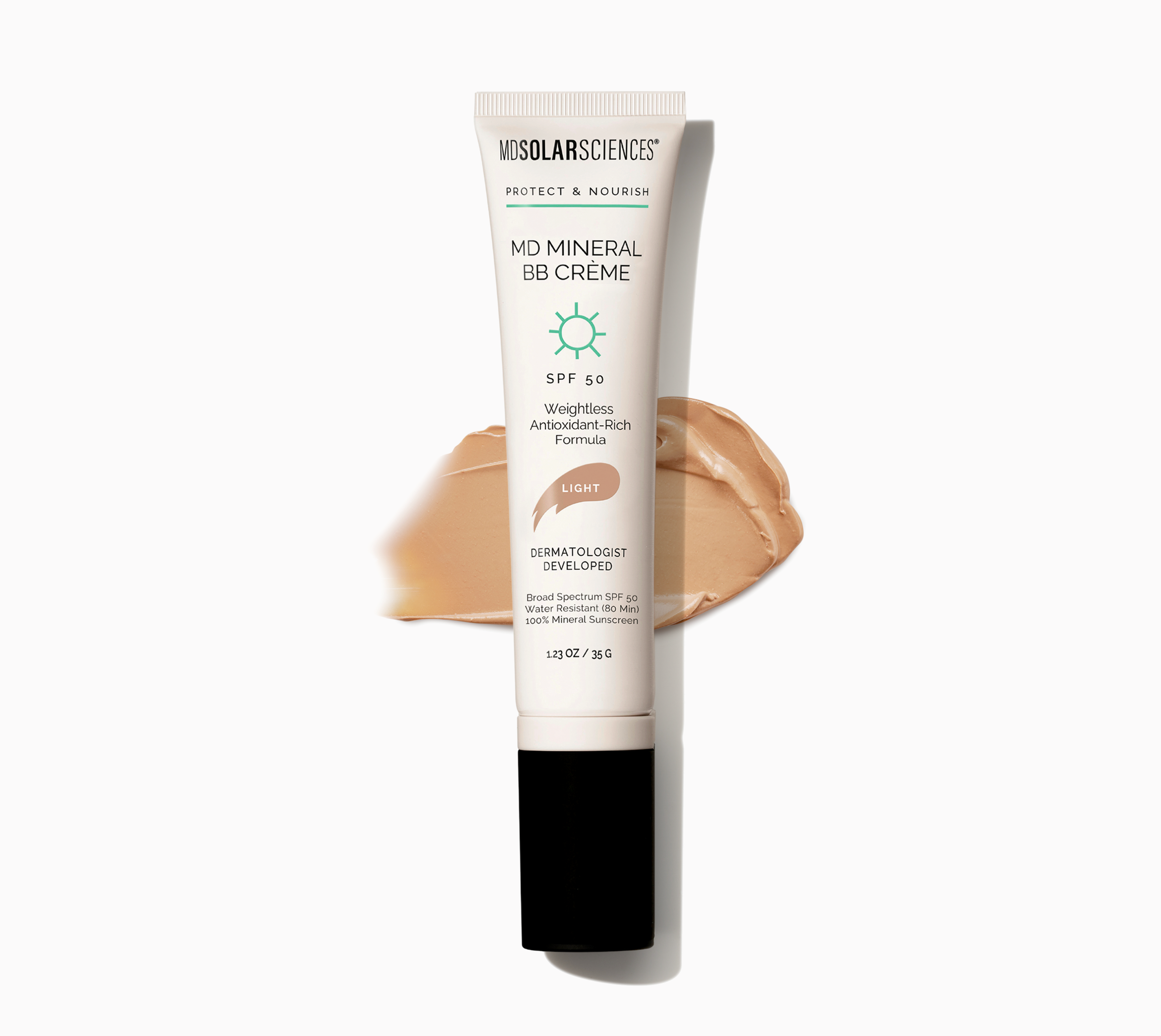
Why Tinted Moisturizers Are a Game-Changer for Mature Skin As skin matures, it changes in ways that make traditional heavy foundations feel uncomfortable and aging. Mature skin tends to be drier, thinner, and more prone to fine lines, texture, and uneven tone, which means heavy coverage can actually emphasize everything you're trying to minimize. Tinted moisturizers hit a sweet spot: they hydrate, even out skin tone, and give you a naturally luminous finish without the heavy, cakey look that can settle into lines. And the best ones do one more thing — they protect your skin with SPF. Because here's the truth: SPF is the single most powerful anti-aging ingredient in existence. More than retinol, more than vitamin C, more than any peptide cream. UV radiation is the number one driver of premature aging, wrinkles, dark spots, sagging, loss of elasticity. If your tinted moisturizer doesn't have SPF, you're leaving the most important step out of your routine. What to Look For in a Tinted Moisturizer for Mature Skin ✦ Hydrating Ingredients Mature skin needs moisture, look for formulas with hyaluronic acid, glycerin, ceramides, or squalane. These ingredients plump the skin from within, which naturally softens the appearance of fine lines. ✦ Broad Spectrum SPF 30 or Higher Non-negotiable. Broad spectrum means protection against both UVA (aging) and UVB (burning) rays. SPF 30 filters approximately 97% of UVB rays — SPF 50 gives you slightly more. ✦ Lightweight, Buildable Coverage Sheer to light coverage works best for mature skin: it evens tone without sitting in lines. If you want more coverage in specific areas, a buildable formula lets you layer without heaviness. ✦ A Luminous or Satin Finish Matte finishes can look flat and aging on mature skin. A luminous or satin finish reflects light naturally, giving skin a healthy, youthful glow. ✦ No Talc or Heavy Silicones These can settle into lines and create a cakey effect. Look for lighter, skin-forward formulas instead. ✦ Antioxidants Vitamin C, niacinamide, and peptides in a tinted moisturizer do double duty — they protect against environmental damage while you wear the product. What to Avoid ❌ Heavy matte formulas — they emphasize texture and lines ❌ Formulas without SPF — you're missing the most important anti-aging step ❌ Glittery shimmer — different from luminosity; can look aging on mature skin ❌ Thick, full-coverage foundations masquerading as tinted moisturizers — if it covers everything, it probably settles into everything too ❌ Fragrance-heavy formulas — mature skin tends to be more sensitive The MDSolarSciences Tinted SPF Collection for Mature Skin At MDSolarSciences, every formula is dermatologist-developed and designed to feel like skincare, not sunscreen, not makeup, but a seamless blend of both. Here's our full tinted lineup and who each one is best for: Mineral Tinted Crème SPF 30 The everyday tinted SPF that replaces your whole morning routine. Our most beloved tinted formula, a lightweight, antioxidant-rich tinted moisturizer with broad spectrum mineral SPF 30. It delivers a sheer, buildable tint with a natural finish that doesn't settle into lines. Hydrating, non-greasy, and formulated specifically to feel like skincare on the skin. Why it works for mature skin: The sheer, luminous finish reflects light naturally and the hydrating base plumps fine lines rather than emphasizing them. It's the "your skin but better" formula for everyday wear. Best for: Daily SPF routine, minimal makeup wearers, sensitive skin, rosacea-prone skin Mineral BB Crème SPF 50 More coverage. More protection. Still feels weightless. Our BB Crème SPF 50 is an antioxidant-rich, weightless formula that delivers buildable coverage with broad spectrum SPF 50 protection. Available in Light, Medium, and Dark — it evens skin tone beautifully without the heavy, cakey finish that can age mature skin. Why it works for mature skin: The higher SPF gives maximum UV protection (critical for anti-aging), while the lightweight texture stays comfortable all day. Buildable coverage means you control how much you apply — sheer where you want it, more coverage where you need it. Best for: Those who want more coverage than a tinted moisturizer but lighter than a foundation, SPF 50 protection seekers, uneven skin tone Tint + Tone SPF 50 Sheer. Luminous. Perfecting. Our Tint + Tone SPF 50 is a sheer, skin-perfecting tinted formula that blurs and evens skin tone with a luminous finish. It's the formula for those who want their skin to look like the best version of itself — not covered, just perfected. Why it works for mature skin: The luminous, skin-perfecting finish is specifically designed to blur rather than cover — which means fine lines and texture are softened rather than highlighted. The sheer tint adds warmth and radiance without looking heavy. Best for: Minimal makeup lovers, natural glow seekers, those who want SPF 50 with a barely-there finish Gleam + Glow SPF 50 For skin that looks lit from within. Our Gleam + Glow SPF 50 is a luminous, glow-enhancing tinted formula that gives skin a radiant, sun-kissed finish with broad spectrum SPF 50 protection. Think healthy, vacation-ready skin — protected and glowing. Why it works for mature skin: Luminosity is one of the first things skin loses as it ages. Gleam + Glow restores that lit-from-within glow without shimmer or glitter — just pure, healthy radiance. It's the formula that makes people ask "did you just get back from vacation?" Best for: Those who want a natural glow, summer and warm weather wear, layering over your existing SPF routine for added radiance How to Apply Tinted Moisturizer for the Best Results on Mature Skin 1. Start with a hydrated base Apply your moisturizer first and let it absorb fully before your tinted SPF. Hydrated skin holds coverage better and looks more luminous. 2. Use your fingers or a damp sponge Fingers warm the product and allow it to melt seamlessly into skin — great for mature skin. A damp beauty sponge gives a more airbrushed finish. 3. Apply in light layers Start with less than you think you need. Build in areas where you want more coverage rather than applying heavily all over. 4. Set with a light powder only where needed If you need to control shine, a very light dusting of translucent powder on the T-zone only — avoid setting the whole face as it can look drying on mature skin. 5. Don't forget your neck Your neck and chest are exposed to the same UV radiation as your face — and they age just as visibly. Blend your tinted SPF down. The Anti-Aging Routine Built Around Tinted SPF If you're serious about anti-aging, this is the routine dermatologists actually recommend: Morning: Gentle cleanser Vitamin C serum or antioxidant treatment Tinted SPF moisturizer — this is your moisturizer, your SPF, and your makeup in one step Evening: Gentle cleanser Retinol serum (the other powerhouse anti-aging ingredient — use at night since it increases sun sensitivity) Rich moisturizer or hydrating crème The morning and evening routines work in tandem: SPF prevents new damage during the day, retinol repairs existing damage at night. Together, they're the most evidence-based anti-aging duo in skincare. The Bottom Line The best tinted moisturizer for mature skin is one that hydrates, protects with broad spectrum SPF, and gives you a luminous finish that works with your skin's texture rather than against it. At MDSolarSciences, our full tinted lineup was developed with exactly this in mind — dermatologist-tested, lightweight, and designed to make every skin tone and age look its absolute best. Protect your skin. Embrace the glow. That's the MDSolarSciences philosophy — and it works at every age.
Learn more
Does Sunscreen Expire? Everything You Need to Know
The Short Answer Yes, sunscreen absolutely expires, and using expired sunscreen is one of the most common sun protection mistakes people make without even realizing it. An expired sunscreen may look and feel almost identical to a fresh one, but its ability to protect your skin from UV radiation has significantly degraded. In other words: you think you're protected. You're not. How Long Does Sunscreen Last? The FDA requires all sunscreens to maintain their stated SPF for at least 3 years from the date of manufacture. Most sunscreens will have an expiration date printed on the packaging — either on the bottom of the tube, the crimped end of a bottle, or the back of the label. If there's no expiration date listed, the FDA recommends treating any sunscreen that's more than 3 years old as expired and replacing it. Here's what to look for: EXP or Best By date on the packaging A PAO symbol (an open jar icon with a number like "12M" or "24M") — this tells you how many months the product is good for after opening No date at all — assume a 3-year shelf life from purchase What Happens When Sunscreen Expires? Sunscreen works because of its active ingredients — either chemical filters (like avobenzone or octinoxate) or mineral filters (zinc oxide and titanium dioxide). Over time, these ingredients break down and lose their effectiveness. Here's what happens specifically: Chemical sunscreens degrade faster. The UV-absorbing molecules in chemical filters are inherently unstable — exposure to light, heat, and air accelerates their breakdown. An expired chemical sunscreen may have significantly lower SPF than what's printed on the label. Mineral sunscreens (zinc oxide and titanium dioxide) are more stable and tend to hold up better over time — but the formulation around them (emulsifiers, stabilizers, moisturizing agents) can still degrade, affecting texture, application, and ultimately how well the product adheres to and protects your skin. The bottom line: expired sunscreen of any kind cannot be trusted to deliver the SPF protection it claims. Signs Your Sunscreen Has Expired (Even Before the Date) Sometimes sunscreen goes bad before its printed expiration date — especially if it's been stored improperly. Here's what to watch for: Separation — the formula has split into layers or looks watery Texture change — it feels grittier, clumpier, or thinner than usual Color change — yellowing or darkening of a formula that used to be white or clear Smell change — an off, rancid, or chemical odor Consistency issues — it's harder to spread or doesn't absorb the way it used to Any of these signs? Toss it — regardless of the expiration date. What Causes Sunscreen to Expire Faster? How you store your sunscreen has a huge impact on how long it stays effective. The biggest culprits for premature expiration: 🌡️ Heat — leaving sunscreen in a hot car, on a beach towel in direct sun, or in a warm bathroom accelerates ingredient breakdown significantly. Sunscreen should ideally be stored at room temperature, away from direct heat. ☀️ Sun exposure — ironic but true: leaving your sunscreen bottle sitting in the sun while you're at the beach can degrade the formula faster. 💧 Water contamination — getting water into the bottle (from wet hands, for example) introduces bacteria and can compromise the formula. 🔓 Leaving the cap off — exposure to air oxidizes both chemical and mineral filters over time. Pro tip: Store your sunscreen in a cool, shaded bag or a cooler at the beach, and always close the cap tightly after use. Can You Use Expired Sunscreen in an Emergency? We get it — you're at the beach, it's blazing hot, and the only sunscreen you have is three years old. Here's our honest take: Expired sunscreen is better than nothing — but it is not reliable protection. You should not count on it to deliver its stated SPF, and you should reapply more frequently than usual if you use it. But the real answer is: plan ahead and replace it. Sunscreen is not a product worth skimping on. Skin cancer is the most common cancer in the United States, and expired SPF won't give you the protection you need. How to Know When to Replace Your Sunscreen A few practical guidelines: Replace every season. If you open a new sunscreen at the start of summer and use it regularly, it should last the season — then replace it next year. Write the date on the bottle. When you open a new sunscreen, write the date on the bottom with a marker. That way you always know how long it's been open. Check before every trip. Before a beach vacation or outdoor event, check the expiration date on every sunscreen you're packing. Does Mineral Sunscreen Last Longer Than Chemical? Generally, yes — mineral sunscreens with zinc oxide and titanium dioxide as active ingredients are more photostable than chemical sunscreens. The mineral filters themselves don't break down as quickly under UV exposure. However, this doesn't mean mineral sunscreen lasts forever. The base formulation — the emollients, stabilizers, and other ingredients that make the product spreadable and skin-friendly — will still degrade over time. At MDSolarSciences, all of our mineral formulas are designed to be as stable as possible — but we still recommend replacing them before the expiration date and storing them properly to get the most out of every bottle. The MDSolarSciences Lineup — Fresh, Effective, and Worth Replacing If your current sunscreen is looking (or smelling) a little questionable, this is your sign to refresh your SPF collection. Our full lineup of dermatologist-developed, broad spectrum SPF formulas is designed to protect, feel luxurious, and actually make you want to apply — and reapply — every single day. For your face: Mineral Crème SPF 50 — lightweight, sensitive skin-friendly, reef safe mineral SPF for daily wear Mineral Tinted Crème SPF 30 — your tinted SPF moisturizer that replaces your morning routine BB Crème SPF 50 — buildable coverage, antioxidant-rich, broad spectrum SPF 50 For your body: Quick Dry Body Spray SPF 40 — non-aerosol spray for fast, mess-free full-body coverage Mineral Crème SPF 50 — lightweight, sensitive skin-friendly, reef safe mineral SPF for daily wear For the kids: Mineral KidCrème SPF 50 — gentle, hypoallergenic, reef safe SPF for babies 6 months and up Mineral KidStick SPF 40 — one-swipe application, no mess, no meltdown KidSpray SPF 40 — non-aerosol kids spray for quick full-body coverage All products are dermatologist-developed, cruelty free, and formulated to maintain stability — but like all sunscreens, they have a shelf life. Replace them when they expire. Your skin is worth it. The Bottom Line Sunscreen expires — and using an expired formula means you're not getting the protection you think you are. Check the expiration date before every use, store your sunscreen properly, and replace it every season. It's one of the simplest things you can do for your long-term skin health. 👉 Shop fresh, dermatologist-developed SPF at mdsolarsciences.com
Learn more
How Often Should You Reapply Sunscreen? A Dermatologist's Guide to Getting It Right
The Short Answer You should reapply sunscreen every 80 minutes when you're outdoors, swimming, or sweating — and every 2 hours during general outdoor activity. If you're sitting inside by a window or going about your day indoors, reapplying once or twice is still a good idea, especially if you're near natural light for extended periods. But as with most things in skincare, the details matter. Let's break it down. Why Does Sunscreen Wear Off? Sunscreen — whether mineral or chemical — doesn't last forever on your skin. Here's why: UV exposure breaks it down. Chemical sunscreen filters absorb UV radiation and convert it to heat, which gradually depletes them. Even mineral sunscreens (zinc oxide and titanium dioxide) can be physically disrupted by sweat, water, and touch. Sweat and water wash it off. Even water-resistant formulas have limits. "Water resistant up to 80 minutes" means the SPF holds for 80 minutes of water exposure — after that, protection drops significantly. Touching your face removes it. Every time you wipe your face, apply makeup, or touch your skin, you're removing a layer of your SPF. It doesn't absorb into the skin and stay. Unlike moisturizers, sunscreen works on the surface — which means it needs to be refreshed. The Reapplication Rules by Situation ☀️ Outdoors — General Activity Every 2 hours, minimum. Set a timer if you need to. UV radiation is cumulative, and even on a partly cloudy day, up to 80% of UV rays reach your skin. 🌊 Swimming or Water Sports Every 80 minutes — even with water-resistant SPF. After toweling off, reapply immediately. Towel drying removes sunscreen just as effectively as water does. 🏃 Exercise or Heavy Sweating Every 80 minutes. Sweat dilutes and removes sunscreen quickly, especially around the hairline, forehead, and neck. 🚗 Driving or Sitting Near Windows Every 2 hours if you're exposed to sunlight through glass. UVA rays — the ones responsible for aging and long-term DNA damage — penetrate window glass. Your car window, your office window, your living room — all of it lets UVA through. 💻 Working Indoors If you're away from windows, reapplying once mid-day is sufficient. If you're near a window or sitting in direct indoor sunlight, treat it like outdoor exposure and reapply every 2 hours. 🌥️ Cloudy Days Don't skip reapplication. Clouds block visible light but not UV radiation. Up to 80% of UV rays pass through cloud cover — meaning you can burn and accumulate UV damage on overcast days just as on sunny ones. How Much Sunscreen Should You Reapply? Most people don't use enough — which means even if they reapply on time, they're not getting the full SPF protection listed on the bottle. For your face: About a nickel-sized amount (roughly ¼ teaspoon). For your body: About one ounce — a full shot glass worth — for complete coverage. Under-application is one of the most common reasons people feel like their sunscreen "isn't working." If you're applying too little, you're getting a fraction of the advertised SPF. Does Reapplying Over Makeup Work? Yes — with the right products. Reapplying liquid sunscreen over a full face of makeup isn't always practical, but there are options: Tinted SPF moisturizers — blend in over minimal makeup SPF sticks — easy to swipe over makeup without disturbing it At MDSolarSciences, our Mineral Tinted Crème SPF 30, our Mineral BB Crèmes and our Mineral Solar Sticks SOF 40 are lightweight enough to layer, making mid-day reapplication seamless even over skincare and light coverage. The Signs You Need to Reapply (Even If You Haven't Hit the 2-Hour Mark) You've been sweating heavily You've been in and out of water You've toweled off You've wiped your face You've applied powder or touched up your makeup Your skin feels warm or tight in the sun Any of these? Time to reapply. Common Reapplication Mistakes to Avoid ❌ Skipping reapplication because you applied a high SPF SPF 50 and SPF 100 still need to be reapplied. Higher SPF gives you more protection per application — it doesn't extend how long it lasts. ❌ Only reapplying to your face Your neck, ears, chest, hands, and the back of your neck are among the most commonly missed spots — and the most vulnerable to UV damage. Don't forget them. ❌ Waiting until you feel burned By the time your skin feels warm or starts to turn pink, UV damage has already occurred. Reapplication is preventive, not reactive. ❌ Skipping reapplication in winter UV radiation is year-round. UVA levels remain relatively constant throughout the year and can cause skin damage even in cold, grey weather. The Best Sunscreens for Easy Reapplication The best sunscreen is the one you'll actually reapply — which means it needs to feel good, look good, and fit into your real life. At MDSolarSciences, our formulas are designed to make reapplication something you actually want to do: Mineral Crème SPF 50 — lightweight, non-greasy, and gentle enough for sensitive skin. Reapplies beautifully over bare skin or minimal skincare. Mineral Tinted Crème SPF 30 — our most popular formula for daily wear. Blurs, hydrates, and protects in one step — easy to reapply mid-day. Quick Dry Body Spray SPF 40 — non-aerosol, broad spectrum spray for full-body coverage on the go. Dries fast, no rubbing required. Mineral KidStick SPF 40 — the easiest reapplication tool for kids. One swipe, no mess, no meltdown. KidSpray SPF 40 — non-aerosol kids spray for fast full-body reapplication at the pool or beach. All MDSolarSciences formulas are dermatologist-developed, clinically tested, and broad spectrum — so every reapplication counts. The Bottom Line Reapplying sunscreen isn't optional — it's the difference between protected skin and the illusion of protected skin. The rule is simple: every 80 minutes in water or heavy sweat, every 2 hours outdoors, and at least once mid-day if you're spending time near windows indoors. Set a reminder. Keep your SPF in your bag. Make reapplication a non-negotiable part of your routine. Your future skin will thank you. 👉 Shop MDSolarSciences broad spectrum SPF at mdsolarsciences.com
Learn more
MDSolarSciences Prime Day Shopping Guide
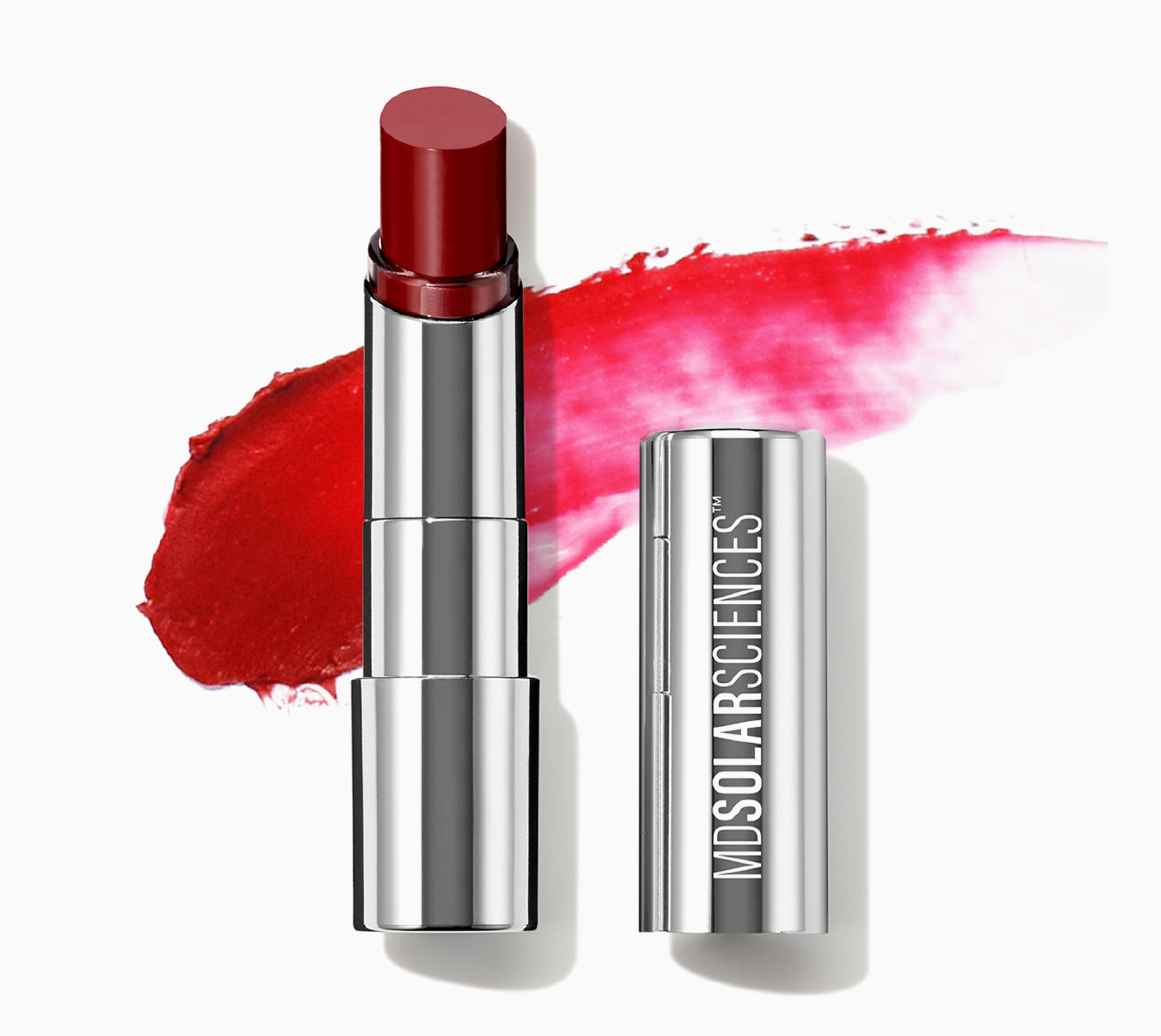
💄 Lip Care with SPF: Up to 25% Off Your lips need sun protection too — and our Hydrating Sheer Lip Balm SPF 30 line makes it effortless. Lightweight, non-sticky, and available in seven beautiful shades, these lip balms deliver broad spectrum mineral SPF in the most wearable format imaginable. Think of them as your new everyday lip color — with built-in sun protection. All 7 shades are on sale now: Product Deal Discount Tinted Lip Balm — Spice ⭐ Best Deal 25% off Tinted Lip Balm — Dream ⭐ Best Deal 25% off Tinted Lip Balm — Crystal ⭐ Best Deal 25% off Tinted Lip Balm — Shimmer ⭐ Best Deal 25% off Tinted Lip Balm — Bare ⭐ Best Deal 25% off Tinted Lip Balm — Ruby ⭐ Best Deal 25% off Tinted Lip Balm — Blush ⭐ Best Deal 25% off Perfect for: beauty lovers, everyday wear, anyone who wants SPF without thinking about it. ✨ Face SPF & Skincare — Up to 30% Off Mineral Tinted Crème SPF 30 — 25% Off ⭐ Our cult-favorite tinted mineral sunscreen that does it all. Lightweight, buildable coverage with broad spectrum SPF 30 — this is the tinted SPF moisturizer beauty editors reach for every morning. No white cast, no heavy finish. Just glowing, protected skin. Best for: skincare minimalists, millennial women, daily SPF routines, sensitive skin Tint + Tone SPF 50 — 30% Off ⭐ Our most generous Prime Day discount goes to the Tint + Tone SPF 50 — a sheer, luminous formula that blurs and perfects while delivering broad spectrum SPF 50 protection. If you love lightweight coverage with a natural finish, this is your new holy grail. Best for: natural beauty lovers, minimalist makeup, everyday glow Mineral Crème SPF 50 1.7 oz — 20% Off ⭐ The gold standard in mineral sunscreen for sensitive skin. Our Mineral Crème SPF 50 is hypoallergenic, fragrance-free, reef-safe, and dermatologist-developed for even the most reactive skin types. Rosacea-prone? Acne-prone? This is the one. Best for: sensitive skin, rosacea, acne-prone skin, daily SPF Advanced Hydration Crème 1.7 oz — 30% Off ⭐ A clinical-grade moisturizer with peptides and ceramides designed to restore, hydrate, and repair the skin barrier. Pair it with your SPF for the ultimate AM/PM routine — protect by day, restore by night. Best for: dry skin, anti-aging routines, barrier repair, pairing with SPF Revitalizing Eye Gel — 25% Off ⭐ Bright eyes start here. Our Revitalizing Eye Gel is formulated to reduce the appearance of puffiness, dark circles, and fine lines around the delicate eye area. A must-have addition to any morning skincare routine. Best for: women 35+, anti-aging focused routines, morning skincare Evening Retinol Serum — 25% Off ⭐ Retinol at night, SPF in the morning — this is what dermatologists actually do. Our Evening Retinol Serum works overnight to renew skin texture, reduce the appearance of fine lines, and even skin tone. Pair with your morning SPF for the most powerful anti-aging duo in your routine. Best for: anti-aging, texture, hyperpigmentation, skincare enthusiasts 30+ Wash Away Cleanser 5 oz — 20% Off ⭐ A gentle yet effective daily cleanser that preps your skin for the rest of your routine without stripping its natural moisture barrier. Clean, protect, glow — that's it. Best for: skincare minimalists, clean routine lovers, all skin types 🌊 Body SPF — 20% Off Quick Dry Body Spray SPF 40 — 20% Off ⭐ Full-body sun protection that actually keeps up with your life. Our Quick Dry Body Spray SPF 40 is a non-aerosol, broad spectrum spray that dries fast, applies evenly, and goes wherever you go. Beach day, pool day, morning run — this is the body SPF you'll actually remember to use. Best for: outdoor lifestyle, beach and pool days, active creators, travel 👶 Kids SPF — Up to 20% Off Protecting little ones from the sun starts with the right formula — and ours was developed by dermatologists specifically for babies and kids 6 months and older. Reef safe, fragrance free, hypoallergenic, and water resistant up to 80 minutes. Mineral KidCrème SPF 50 — 20% Off ⭐ Our kids mineral sunscreen SPF 50 in a cream formula that glides on smoothly and absorbs beautifully. No white cast, no fragrance, no parabens. Zinc oxide-based and gentle enough for the most sensitive baby skin. Best for: babies 6 months+, sensitive skin, everyday protection, beach days KidSpray SPF 40 — 20% Off ⭐ The non-aerosol kids sunscreen spray that makes full-body coverage fast and fuss-free. No harsh propellants, no fighting a squirmy toddler. Just broad spectrum protection in a convenient mist. Best for: toddlers, outdoor play, pool and water days, on-the-go moms Mineral KidStick SPF 40 — 15% Off ⭐ The original kids sunscreen stick that parents swear by. Swipe it on in seconds — face, ears, nose — no mess, no residue, no meltdown. Compact enough for a diaper bag or backpack and gentle enough for daily use. Best for: on-the-go application, travel, school and camp, toddlers and kids 🛒 How to Shop the Prime Day Deals Head to Amazon and search MDSolarSciences All deals are marked as Best Deal and are live now Prime membership required for Prime Day pricing Deals are for a limited time only — stock up while you can! Our Top Picks for Every Skin Type Skin Type Best Pick Sensitive / Rosacea Mineral Crème SPF 50 Anti-Aging Evening Retinol Serum + Advanced Hydration Crème Minimalist Mineral Tinted Crème SPF 30 Glow-Getter Tint + Tone SPF 50 Mom & Kids KidStick + KidSpray + KidCrème Body SPF Quick Dry Body Spray SPF 40 Why MDSolarSciences? MDSolarSciences was founded on a mission: to make dermatologist-developed sun protection that people actually want to wear. Every formula is clinically tested and designed to feel like a luxury skincare product — not an afterthought. Skin cancer is the most common cancer in the United States — and the right SPF is one of the most powerful tools you have to protect yourself. Prime Day is the best time of the year to stock up. Shop all deals on Amazon now 👉 https://www.amazon.com/mdsolarsciences/s?k=mdsolarsciences
Learn more
Does Sunscreen Stop You From Tanning? Here's What Actually Happens to Your Skin
If you've ever skipped SPF because you didn't want to "block" your tan, this one's for you. The Short Answer No, sunscreen does not completely stop you from tanning. But it does change how your skin responds to the sun — and understanding that difference might just change how you think about SPF forever. What Actually Causes a Tan? Before we get into sunscreen, let's talk about what a tan actually is. When your skin is exposed to ultraviolet (UV) radiation from the sun, your body triggers a defense mechanism: melanocytes (the cells responsible for pigment) produce more melanin to absorb and scatter UV rays. That darkening of the skin? That's your body trying to protect itself from damage. In other words, a tan is not a sign of health — it's a sign that your skin has been injured and is doing its best to cope. There are two types of UV rays to know: UVB rays — responsible for sunburn and surface-level skin damage UVA rays — penetrate deeper into the skin and are the primary driver of tanning, premature aging, and long-term DNA damage Both contribute to skin cancer risk. So What Does Sunscreen Actually Do? Sunscreen — especially broad spectrum SPF — works by absorbing, reflecting, or scattering UV radiation before it can penetrate your skin. It doesn't create an invisible force field that blocks 100% of UV rays. What it does is significantly reduce the amount of UV radiation that reaches your skin cells. Here's the math: an SPF 30 filters out approximately 97% of UVB rays. An SPF 50 filters out approximately 98%. That remaining 1-3% of UV exposure? That's still enough to trigger some melanin production — which means yes, you can still tan while wearing sunscreen. But here's the critical difference: that tan happens with dramatically less UV damage to your skin cells, less risk of sunburn, and far lower cumulative risk of skin cancer and premature aging. Can You Still Get a Glow With SPF On? Yes — and this is the part most people miss. Wearing sunscreen doesn't mean you'll come home from the beach looking exactly the same as when you left. It means you'll get less UV exposure, which slows down the tanning process and reduces the intensity of the tan. But slower and lighter doesn't mean zero. Many people who wear SPF consistently still develop a natural, gradual glow over a summer — just without the peeling, the sunburn, and the long-term skin damage that comes with unprotected sun exposure. If a bronzed look is your goal, there are safer ways to get there: Self-tanner or tanning drops layered under or over your SPF give you color without UV damage Tinted SPF and bronzing formulas create the appearance of warmth and glow while protecting your skin Gradual sun exposure with SPF can still build a light, natural tan over time — just without cooking your skin in the process Why Skipping SPF to Tan Faster Is Never Worth It We get it — the logic seems to make sense. Less sunscreen = more UV = faster tan. But here's what you're actually signing up for when you skip SPF: DNA damage — UV radiation causes direct damage to your skin's DNA, which accumulates over time and increases skin cancer risk Premature aging — UVA rays break down collagen and elastin, leading to wrinkles, sagging, and hyperpigmentation years before their time Uneven pigmentation — unprotected sun exposure is one of the leading causes of dark spots, melasma, and post-inflammatory hyperpigmentation Skin cancer — the most common cancer in the United States, and one of the most preventable with consistent sun protection The tan fades. The damage doesn't. The Reapplication Factor One reason people feel like sunscreen "isn't working" or is stopping them from tanning is actually a reapplication issue. Sunscreen breaks down with sun exposure, sweat, and water — which is why dermatologists recommend reapplying every 80 minutes during outdoor activity, or immediately after swimming or sweating. If you apply SPF in the morning and spend six hours outside without reapplying, you're spending most of that time with little to no protection. And at that point, any tanning (or burning) you experience has nothing to do with sunscreen stopping it — it's because the sunscreen is no longer doing its job. Tips for keeping your SPF working all day: Apply generously — most people use far less than the recommended amount (about a shot glass worth for the body, a nickel-sized amount for the face) Reapply every 80 minutes outdoors Use water-resistant SPF if you're swimming or sweating Don't forget ears, the back of the neck, hands, and feet What Dermatologists Actually Say Dermatologists are unequivocal on this: there is no such thing as a safe tan from UV exposure. Any color change from the sun is evidence of skin damage. The American Academy of Dermatology recommends wearing broad spectrum SPF 30 or higher every single day — rain or shine, indoors or out — because UV rays penetrate clouds and windows. At MDSolarSciences, we were founded on this exact mission. Our brand was built around the belief that protecting your skin from the sun is one of the single most powerful things you can do for your long-term health — and that great SPF should feel good enough that you actually want to wear it every day. The Bottom Line Sunscreen doesn't stop you from tanning — but it does protect you while you do. It slows down and reduces the intensity of UV-driven color change while dramatically cutting your risk of sunburn, premature aging, and skin cancer. The glow you want is still achievable. The damage that comes with unprotected sun exposure is not worth it. Wear your SPF. Reapply. And if you want a deeper tan, reach for a self-tanner — your future skin will thank you. MDSolarSciences offers a full range of dermatologist-developed, broad spectrum mineral and chemical SPF formulas for face, body, and kids — designed to feel like skincare, not sunscreen. Shop at mdsolarsciences.com.
Learn more
BEMT Is Coming to the USA — Here's What You Need to Know
You might've heard the news. The FDA just approved the first new sunscreen ingredient in over 25 years — and it's a big deal for everyone who cares about sun protection. Here's what you need to know, what it means for your routine, and how to navigate your SPF choices right now. What Is BEMT? BEMT stands for Bemotrizinol — a chemical UV filter that has been used safely in sunscreens across Europe and Asia since 1999. If you've ever used a K-beauty SPF or picked up a French pharmacy sunscreen on vacation and thought "why doesn't this exist in the US?" — bemotrizinol is a big part of the reason those formulas felt so different. The FDA finalized its approval of bemotrizinol, the first new ultraviolet filter in more than 25 years, deemed a safe and effective active ingredient in U.S. sunscreens. Here's the quick breakdown: BEMT = Bemotrizinol — a chemical (non-mineral) UV filter Safe and effective — data submitted to the FDA confirms that at concentrations up to 6%, bemotrizinol is minimally absorbed through the skin, with average absorption levels below the concentration the FDA considers indicative of systemic exposure 27 years of global use — used in Europe and Asia since 1999 under brand names including Tinosorb® S and Parsol® Shield Photostable — unlike avobenzone, BEMT doesn't break down in sunlight, meaning it stays effective all day Strong UVA protection — it specifically closes the UVA gap that has long been a weakness in American sunscreens Why Is This Such a Big Deal? The core issue is UVA protection. UVA rays are the ones responsible for deep skin damage — premature aging, collagen breakdown, and a primary contributor to skin cancer. Traditional U.S. sunscreens excel at blocking UVB rays, which cause visible sunburns, but routinely fail to shield against deep-penetrating UVA rays. Until now, the only non-mineral ingredient in US sunscreens that provided meaningful UVA coverage was avobenzone — and avobenzone is chemically unstable, meaning it breaks down when exposed to sunlight. BEMT solves that problem with a stable, long-lasting UVA filter that doesn't degrade. Even with bemotrizinol added to the mix, U.S. sunscreen formulators will have access to 16 approved UV filters — while European formulators have access to approximately 30. So while this is a meaningful step forward, there's still work to be done. So — Is BEMT Better Than Mineral SPF? Here's the honest answer: it depends on your skin and what matters most to you. Whether a chemical or mineral SPF is the best choice is highly personal. Both protect. Both have trade-offs. Here's how they compare: Mineral SPF ✓✓✗ ✓ Physical filter — sits on top of skin and physically deflects UV rays rather than absorbing them ✓ Can be reef-safe — zinc oxide is one of the most reef-friendly UV filters available, and when formulated without oxybenzone and octinoxate, mineral sunscreens are ocean-safe ✗ Can leave a white cast — this is the biggest complaint about mineral SPF, though it depends entirely on the formula. Modern mineral formulas like ours are engineered to minimize white cast significantly Best for: Sensitive skin, rosacea, acne-prone skin, babies and children, people who want the most stable and balanced UVA/UVB protection, and anyone who prefers a physical barrier Chemical SPF (including BEMT) ✓✓✗ ✓ Absorbs into skin — chemical filters work by absorbing UV rays and converting them to heat, which means they go on invisibly ✓ Clear — no white cast — this is the biggest advantage of chemical SPF, especially for deeper skin tones where mineral formulas have historically been more visible ✗ Can sometimes feel oily — depending on the formula, some chemical SPFs have a heavier or greasier feel, particularly in heat and humidity Best for: People who have struggled with white cast, those who prefer an invisible finish, and anyone who wants the lightest possible texture on skin Where Does MDSolarSciences Stand? At MDSolarSciences, our foundation has always been mineral SPF. EWG's top recommendation for daily use remains mineral sunscreens formulated with zinc oxide, which provide the most stable and balanced broad-spectrum UVA and UVB protection currently available. Our formulas are built on 100% mineral actives — zinc oxide as the core UV filter — engineered by our founder Dr. Robert Friedman, one of the pioneers of the ABCDE's for melanoma detection. Every formula we make is dermatologist-developed and rooted in skin cancer prevention. That said, we believe in empowering you to make the right choice for your skin. The best sunscreen is always the one you'll actually wear — every single day. For mineral SPF: Our Mineral Crème SPF 50, MD Mineral BB Crème SPF 50, and Mineral Tinted Crème SPF 30 are formulated to minimize white cast while delivering maximum broad-spectrum protection. For kids: Our Mineral KidCrème SPF 50 and Mineral KidStick SPF 40 use 100% mineral actives that are safe from 6 months+ and gentle enough for the most sensitive skin. What to Do Right Now BEMT products won't hit US shelves immediately. Today's approval of bemotrizinol triggers 18 months' exclusive marketing rights in the U.S. of Parsol Shield, a proprietary bemotrizinol formulation. After that period, other manufacturers may use it in their formulations, driving broader availability and more competitive pricing. In the meantime, here's how to choose the best sunscreen for your skin today: If you want maximum protection and have sensitive skin: Choose a mineral SPF with zinc oxide. It's the most stable, most trusted, and most dermatologist-recommended option currently on shelves. If white cast has stopped you from wearing SPF: Look for modern mineral formulas engineered for minimal white cast — or a hybrid formula. The right formula makes all the difference. For your kids: Mineral actives are still the recommendation for babies and children. Safe, gentle, and effective from day one. The most important rule of all: The best SPF is the one you actually wear. Daily. Rain or shine. Indoors and out. ☀️ Explore MDSolarSciences' full collection of dermatologist-developed SPF skincare at mdsolarsciences.com Sources: Environmental Working Group (EWG), FDA Press Announcement June 2026
Learn more
The Spray That Goes Everywhere You Do: Why MDSolarSciences Quick Dry Sprays Belong in Every Bag
You applied sunscreen before leaving the house. You always do. But here's the thing nobody talks about enough: that first application wears off — and reapplication is just as important as the first coat. The walk to the farmers market. The afternoon hike. The stroll around the neighborhood with the stroller. These are exactly the moments when shoulders, arms, and the back of your neck are soaking up UV rays — often without you even thinking about it. And these are the moments a quick, portable, 360° spray was made for. Meet the two sprays we think belong in every bag this summer. Why Reapplication Matters More Than You Think SPF isn't a set-it-and-forget-it step. Broad spectrum sunscreen protection breaks down with sun exposure, sweat, and time — and the American Academy of Dermatology recommends reapplying every two hours during outdoor activity. The challenge? Reapplication is inconvenient. Lotions require rubbing. Sticks are great for faces but miss larger areas. And most sprays are aerosol — which means they're pressurized, can't be used upside down, and are often restricted in certain travel and outdoor settings. That's exactly the problem our sprays solve. Quick Dry Body Spray SPF 40 — For You The spray that works from every angle. Our Quick Dry Body Spray SPF 40 is a non-aerosol pump spray with a 360° nozzle — meaning it sprays in any direction, including completely upside down. That's not a small thing. It means you can actually reach your own back, your shoulders, the back of your legs — every spot that gets exposed on a walk, a hike, or a bike ride and that you'd normally miss. Why it belongs in your bag: Tuck it into your tote, your hiking pack, your stroller bag, or your beach bag. At 6 fl oz it's the perfect size to have on hand for the moments that sneak up on you — the afternoon that turned into an outdoor lunch, the walk that went longer than expected, the shoulders that got more sun than you realized. What it does: Broad spectrum SPF 40 — protects against both UVA and UVB rays Water and sweat resistant for up to 80 minutes Quick-dry formula — no grease, no residue, no waiting around 360° nozzle — sprays upside down for full-body coverage Antioxidant-enriched with Vitamin C and Indian Gooseberry Non-aerosol — travel-friendly (checked bag), reef-friendly, and safe for outdoor use The moments it's made for: Your morning walk. The hiking trail. The beach. The pool. The soccer sideline. Any time you're outside and your first application of the day has worn off — this is the spray that makes reapplication fast enough to actually happen. Note: Our Quick Dry Body Spray is not mineral-based — it uses a lightweight chemical broad spectrum formula designed for fast, even coverage over large body areas. Kids Quick Dry Spray SPF 40 — For Them The spray that actually keeps up with kids. Reapplying sunscreen on a child who wants to keep playing is one of the great parenting challenges of summer. You need something fast. Something that works. And something gentle enough for the skin they're in. Our Kids Quick Dry Spray SPF 40 is a non-aerosol pump spray specifically formulated for children — gentle enough for sensitive skin, fast enough for kids who won't stand still, and effective enough for real outdoor days. Why it belongs in the diaper bag: If you have a baby, a toddler, or a school-age child spending time outdoors — the diaper bag, the school bag, or the stroller's storage basket is exactly where this should live. Playground reapplication. Post-swim coverage. Mid-hike arms and shoulders. The spray makes it fast enough to actually do it in the moment, not just plan to do it. What it does: Broad spectrum SPF 40 — real protection for real outdoor days Water resistant up to 80 minutes — pool days, beach days, active play 360° nozzle — reaches shoulders, backs, and every spot kids miss Non-aerosol pump — no harsh propellants, travel and outdoor safe Gentle formula — suitable for kids from 6 months+ Quick-dry — no waiting, no fuss, back to playing in seconds Fragrance-free — gentle for sensitive skin The moments it's made for: The stroller walk where tiny arms are catching direct sun. The hike where little shoulders are completely exposed. The pool day that goes longer than expected. Summer camp reapplication. Vacation days where you're outside from morning to night. This is the spray that makes staying protected feel effortless — for you and for them. Note: Our Kids Quick Dry Spray is not mineral-based — it uses a broad spectrum formula developed with gentle, kid-appropriate ingredients. For a mineral option for kids, our Mineral KidCrème SPF 50 and Mineral KidStick SPF 40 are the perfect complement. The Shoulder Problem Nobody Talks About Here's something worth saying out loud: your shoulders are one of the most UV-exposed and most under-protected areas on your body. When you're walking, hiking, or pushing a stroller, your shoulders are at a direct angle to the sun for extended periods. Most people apply lotion to their arms and legs but don't reach their own shoulders, upper back, or the back of their neck — especially when they're alone. A 360° spray solves this completely. Point it over your shoulder, press, done. It takes under ten seconds and it's one of the most meaningful SPF habits you can build into your outdoor routine. The On-the-Go SPF Edit For the diaper bag: Kids Quick Dry Spray SPF 40 + Mineral KidStick SPF 40 for faces. Two products. Every inch of your child covered. Reapplication ready wherever you are. For the hiking pack: Quick Dry Body Spray SPF 40 for body reapplication + Solar Stick SPF 40 for face touch-ups. Lightweight, packable, and effective for a full day on the trail. For the beach bag: Both sprays for the whole family. Fast to apply, water resistant, and 360° coverage means nobody's shoulders get missed at the shoreline. For the stroller bag: Kids Quick Dry Spray SPF 40 tucked in and ready for the moments when the walk goes longer than expected or the afternoon sun gets stronger than you planned. Sun protection shouldn't stop when you leave the house. It should travel with you — into the hiking trail, onto the playground, down the neighborhood street, and everywhere in between. That's what these sprays are for. 🤍☀️ Shop the Quick Dry Body Spray SPF 40 and Kids Quick Dry Spray SPF 40 at mdsolarsciences.com
Learn more