Blog: Everything Under the Sun


The Parent's Guide to Kids' Sunscreen: What to Look For (and What to Avoid)
Walk down any sunscreen aisle and the options are overwhelming. "Natural." "Reef-safe." "Gentle." "Clean." These words are everywhere, and almost none of them are regulated. That means a sunscreen can slap "natural" on the label while still containing a long list of ingredients you'd probably prefer to keep off your child's skin. As a parent, you shouldn't have to have a chemistry degree to choose a safe sunscreen. But knowing a few key things — what to look for, what to skip, and why it matters more for kids than adults — makes all the difference. This is your no-fuss, dermatologist-backed guide to choosing the right sunscreen for your child, from babies as young as 6 months all the way through the school years. Why Kids' Skin Needs Extra Attention Children's skin isn't just adult skin in a smaller size. It's thinner, more permeable, and still developing its natural protective barrier. That means what you put on it gets absorbed more readily — and the cumulative effects over a lifetime start early. Here's a number that should stay with every parent: about 23% of a person's lifetime UV exposure happens before the age of 18. And having more than five sunburns in a lifetime doubles the risk of melanoma. The habits you build now — putting SPF on your kids before they head outside, making it a non-negotiable part of any outdoor day — are genuinely protective for the rest of their lives. The American Academy of Dermatology recommends that all children, regardless of skin tone, wear broad-spectrum sunscreen with SPF 30 or higher. Every single day. And for babies under 6 months, the recommendation is simple: keep them out of direct sunlight and use protective clothing, shade, and hats instead. Sunscreen is not approved for use on infants under 6 months old. Once your baby reaches 6 months, sunscreen becomes your best friend. But not just any sunscreen — the right one. What to Look For in a Kids' Sunscreen 1. Mineral formula (zinc oxide and/or titanium dioxide) This is the single most important box to check. Mineral sunscreens — also called physical sunscreens — use zinc oxide and titanium dioxide as their active ingredients. These minerals sit on top of the skin and physically deflect UV rays rather than absorbing into the skin and converting them to heat. Why does this matter for kids specifically? Because mineral sunscreens don't get absorbed into the bloodstream the way many chemical filters do. They work immediately upon application (no 15–30 minute wait required), and they're far less likely to irritate sensitive skin. Dermatologists overwhelmingly recommend mineral formulas for babies and children — and the FDA currently recognizes only two sunscreen ingredients as Generally Recognized as Safe and Effective (GRASE): zinc oxide and titanium dioxide. For the cleanest, most protective option, look for non-nano zinc oxide specifically. "Non-nano" means the particles are large enough that they can't penetrate the skin, staying entirely on the surface where they do their job as a physical shield. 2. Broad-spectrum protection The SPF number alone only tells you how well a sunscreen protects against UVB rays — the ones that cause sunburn. UVA rays, which penetrate deeper into the skin and are responsible for long-term aging and increased skin cancer risk, require separate coverage. "Broad-spectrum" on the label means you're protected against both. Never buy a kids' sunscreen without it. 3. SPF 30 at minimum, SPF 50 for active days For everyday use, SPF 30 blocks approximately 97% of UVB rays. For longer outdoor days — beach trips, sports games, pool days — reach for SPF 50 or higher. No sunscreen blocks 100% of UV rays, which is why reapplication every two hours is non-negotiable regardless of SPF level. 4. Water resistance Kids and water are inseparable. A water-resistant formula will maintain its protection for 40–80 minutes of water exposure, depending on the rating. Always reapply immediately after your child towels off — water-resistant doesn't mean waterproof, and toweling removes sunscreen even if it hasn't fully worn off yet. 5. Fragrance-free Fragrance is one of the most common causes of skin irritation and allergic reactions in children. Fragrances — which can hide hundreds of undisclosed chemicals under the umbrella term "fragrance" or "parfum" on ingredient labels — are unnecessary in sunscreen and best avoided entirely for young, sensitive skin. If the sunscreen smells like coconuts or vanilla, double-check the label. 6. Easy application This one matters more than parents give it credit for. The best sunscreen for your child is the one you'll actually use consistently — and use correctly. Formulas that are hard to apply, leave a heavy white cast, or require a lot of rubbing in are going to get skipped on the mornings when you're rushing out the door. Sticks, sprays, and lightweight crèmes that glide on quickly and absorb easily remove the friction from the routine. What to Avoid in Kids' Sunscreen This is where label reading really pays off. Here are the ingredients that raise the most concern, particularly for children: Oxybenzone This is the most significant chemical filter to avoid in kids' sunscreen. Oxybenzone is readily absorbed through the skin at levels that have raised concern among researchers, and studies have found it in human blood, urine, and breast milk after typical sunscreen use. The Centers for Disease Control found oxybenzone levels in people correlated directly with how much sunscreen they used. There is mounting evidence of its endocrine-disrupting properties — meaning it can interfere with the body's hormone function. It's also been banned in Hawaii and several other jurisdictions due to its devastating impact on coral reefs. The American Academy of Pediatrics suggests avoiding oxybenzone in children's sunscreen when possible. Octinoxate Another common chemical UV filter that has been linked to potential hormonal effects and environmental harm. Like oxybenzone, it's banned in Hawaii specifically because of reef toxicity. Studies have shown it can be absorbed through the skin and detected in blood. Homosalate A UV-absorbing chemical filter that has drawn concern from regulators in Europe, where the European Commission concluded it was not safe at concentrations up to 10% and recommended a maximum of just 1.4%. The U.S. currently allows concentrations up to 15%. Given the developing hormonal systems of children, this is an ingredient worth steering clear of. Parabens Parabens (look for methylparaben, propylparaben, butylparaben, ethylparaben on the label) are preservatives commonly used in cosmetics and sunscreens. They've been associated with hormone disruption due to their ability to mimic estrogen in the body. Many brands have moved away from them, but always check the label. Fragrance / Parfum As mentioned above: fragrance is a catch-all term that can legally mask hundreds of undisclosed chemical compounds, some of which are known allergens, hormone disruptors, or irritants. With children's sensitive skin, there's simply no reason to accept it. Aerosol spray sunscreens Spray sunscreens are tempting for their convenience, but for children specifically, the concern is inhalation. When you spray near a child's face or in windy conditions, there's a real risk of your child breathing in the formula. Non-aerosol pump sprays or sprays applied to your hands first and then rubbed onto the skin are a much safer option for kids. Sunscreen by Age: A Quick-Reference Guide Under 6 months: No sunscreen. The AAP recommends keeping infants out of direct sunlight entirely and using physical barriers — shade, hats, lightweight long sleeves, a stroller canopy. If sun exposure is unavoidable, consult your pediatrician. 6 months – 2 years: A mineral sunscreen with zinc oxide is your only option here. Choose fragrance-free, hypoallergenic formulas specifically designed for sensitive baby skin. Sticks are particularly easy to apply quickly on squirmy babies. SPF 40–50 is ideal. Toddlers & preschoolers (2–5 years): Same mineral-only rule applies. Sticks and sprays make application faster for kids who don't want to stand still. Look for water-resistant formulas since this age group tends to be in and out of water constantly. School-age kids (6+): Continue with mineral formulas. Consider portability — a stick that lives in their backpack means they can reapply at recess or sports practice without needing help. Tweens & teens: Mineral is still best, but this is also the age where you might consider non-comedogenic formulas if acne is a concern. A tinted mineral sunscreen can double as a light coverage product for teens who are starting to care about their appearance. The MDSolarSciences Kids Line: Built for This Here's what we recommend for every scenario: For the playground and on-the-go: Mineral KidStick SPF 40 The fastest application in the kids' sunscreen game. Swipe it on in seconds — no rubbing required, no white cast, no mess. Fragrance-free and water-resistant, it fits in a diaper bag, a backpack, or your pocket. For any parent who has ever tried to apply lotion to a child who is already sprinting toward the slide, this stick is the answer. Safe from 6 months+. Non-comedogenic. Reef-safe. For full-body coverage: Mineral KidCrème SPF 50 A hypoallergenic, dermatologist-tested SPF 50 mineral lotion that provides serious broad-spectrum protection in a lightweight, non-greasy formula. Perfect for applying before you leave the house — on arms, legs, face, and neck — when you have a few extra minutes to do it right. The gentle formula is specifically designed for young, sensitive skin. Hypoallergenic. Fragrance-free. Zinc oxide-based. Safe from 6 months+. For beach days and pool days: KidSpray SPF 40 A non-aerosol pump spray that covers backs, shoulders, and legs quickly without wrestling a squirming child to the ground. No propellants, no harsh chemicals — apply to your hands first and smooth on, or spray at a slight distance for even coverage. Water-resistant and lightweight. Non-aerosol. Broad-spectrum. Safe from 6 months+. How to Apply Kids' Sunscreen Correctly Even the best sunscreen only works if it's applied properly. Here's the breakdown: How much: Use about one ounce (a full shot glass) for a child's whole body. Most people — adults and parents applying to kids — use about half of what they actually need. Be generous. When: Apply 15 minutes before going outside. Mineral sunscreens work immediately on contact, but giving it time to settle ensures even coverage. Where: Don't forget ears, the back of the neck, tops of feet, the part in the hair, and the backs of hands. These are the spots that get missed most often and burn the fastest. Lips: Children's lips need SPF too. An SPF lip balm is an easy add-on to any outdoor outing. How often: Every two hours when outdoors. Every time your child gets out of the water or towels off. If they're sweating heavily, reapply sooner. On cloudy days: Yes, still. Up to 80% of UV rays penetrate cloud cover. The UV index doesn't take a day off just because the sky is grey. The Bottom Line for Parents Choosing a sunscreen for your child doesn't have to be complicated — it just requires knowing what to look for and what to leave on the shelf. The short version: go mineral, go fragrance-free, go broad-spectrum, and go SPF 30 or higher. Check the label for oxybenzone,parabens, and fragrance — and put it back if you find them. The habit of daily SPF starts young. Building it into your family's outdoor routine now — sunscreen before shoes, before you leave the house, before anything else — is one of the most protective things you can do for your child's long-term skin health. At MDSolarSciences, our entire Kids line was developed with exactly this in mind: clean, formulas that are gentle enough for the most sensitive skin, fast enough for the most impatient kids, and effective enough to give parents real peace of mind. Shop the MDSolarSciences Kids SPF Collection →
Learn more
How to Build a Spring SPF Skincare Routine (That You'll Actually Stick To)
Spring has a way of making everything feel like a fresh start — your wardrobe, your space, your energy. So why not your skin? As temperatures rise and you're spending more time outdoors, spring is one of the most important moments to reassess your skincare routine — and if SPF isn't already at the center of it, this is your sign to make it one. The good news? Building a spring SPF skincare routine doesn't have to be complicated. In fact, the best routines in 2026 are the simplest ones. Dermatologists agree: fewer products, smarter formulas, and consistent daily habits beat a ten-step regimen every time. Here's how to build a spring skincare routine with SPF at its core — one that's easy enough to stick to every single day. Why Spring Is the Right Time to Reset Your SPF Routine Winter skincare tends to be heavy — thick moisturizers, barrier-repair creams, the works. But as the seasons shift, so does your skin's relationship with the sun. Days get longer, UV index climbs, and you're outside more — walking to work, running errands, grabbing coffee on a patio. And all of that adds up. Here's the thing: UV exposure doesn't wait for summer. UVA rays — the ones responsible for premature aging, fine lines, and hyperpigmentation — are present year-round and penetrate glass. A drive with your window down, a lunchtime walk, even sitting near a sunny window counts as exposure. Studies show that up to 90% of visible skin aging comes from cumulative, unprotected daily sun exposure — not beach days. Spring is also the moment when search behavior shifts. People start looking for lighter formulas, refreshed routines, and products that feel good in warmer weather. If your current sunscreen feels too heavy, too greasy, or just hasn't been replaced since last year (yes, SPF expires), spring is the right time to start fresh. The 2026 Approach: Simple, Smart, Consistent The dominant skincare philosophy in 2026 is all about doing less, better. Dermatologists and beauty editors agree: after years of complicated multi-step routines and layering ten different actives, consumers are simplifying — and their skin is thanking them for it. The smartest spring 2026 routine isn't the longest one. It's the one you'll actually do every morning without thinking. And the single most impactful step you can add — or double down on — is daily broad-spectrum SPF. Think of SPF not as a last-minute add-on after your moisturizer, but as the anchor of your morning routine. Everything else layers underneath it. When SPF is your non-negotiable, the rest of your routine gets easier. Your Step-by-Step Spring SPF Skincare Routine Step 1: Cleanse Start with a clean slate. In spring, you can often lighten up your cleanser compared to winter — something gentle that removes overnight products, sweat, and environmental buildup without stripping the skin barrier. A clean base means your SPF goes on evenly and adheres better throughout the day. Step 2: Treat (Optional, But Powerful) If you use a serum — vitamin C is a standout spring choice, since it brightens, targets sun-related dark spots, and pairs beautifully with SPF — apply it here. Antioxidant serums and SPF work as a team. The antioxidants neutralize free radicals that slip past your sunscreen; the SPF deflects UV rays before they can cause damage. Together, they're your best defense against the kind of sun damage you can't see yet. Step 3: Moisturize Depending on your skin type, you may need a separate moisturizer under your SPF, or you may find your sunscreen doubles as all the hydration you need, our Daily Perfecting Moisturizer SPF 30 would be a great option. In spring, many people find they can scale back from rich winter creams to lighter textures. Step 4: SPF — The Most Important Step This is where everything comes together. Your SPF goes on last in your skincare routine (before makeup, if you wear it), and it's the step you simply cannot skip. What to look for in a spring/summer face SPF: Broad-spectrum protection against both UVA and UVB rays SPF 30 at minimum for daily use Mineral formula using zinc oxide and/or titanium dioxide — gentle, effective, and reef-safe A texture you love — because you'll actually wear it if it feels good on your skin Step 5: Lip SPF Your lips are one of the most exposed and most neglected areas when it comes to sun protection. Lip skin is thinner than facial skin, contains very little melanin, and can't protect itself. A tinted lip SPF is one of the easiest upgrades to your spring routine. The MDSolarSciences Spring Lineup The right products make sticking to a routine effortless. Here's what we recommend building your spring SPF routine around: For Your Face Mineral Crème SPF 50 Our cult-favorite, dermatologist-developed mineral sunscreen goes on weightless, dries to a natural matte finish, and layers seamlessly under or over makeup. Powered by zinc oxide, it's formulated for all skin types and packed with antioxidants including green tea, cranberry, and pomegranate extracts. This is the one to reach for if you want serious protection with zero compromise on texture. Best for: oily, combination, and normal skin types. Mineral Tinted Crème SPF 30 Part sunscreen, part skin-evening tint, part hydrator — this is the multitasking formula your spring routine has been waiting for. The universal tint blurs and evens skin tone while the silky, antioxidant-rich formula nourishes as it protects. Wear it alone for that "your skin but better" look, or as a base before makeup. Best for: dry, sensitive, and combination skin types. Daily Perfecting Moisturizer SPF 30 If you're looking to streamline your morning routine without sacrificing any steps, this moisturizer-SPF hybrid is your answer. Lightweight, hydrating, and broad-spectrum — it replaces your separate moisturizer and sunscreen in one move. Perfect for those "just keep it simple" mornings. Best for: all skin types, especially on low-maintenance days. For Your Body Don't forget your arms, chest, and the back of your hands — easily the most UV-exposed areas in daily life and the most commonly skipped. Quick Dry Body Spray SPF 40 A lightweight, non-greasy spray with a 360° nozzle for quick, even coverage. It dries fast, leaves no residue, and goes on over skin before you head out the door. Water-resistant and packed with antioxidants, it's a spring and summer staple for the whole body. For Your Lips Hydrating Sheer Lip Balm SPF 30 Tinted, hydrating, and SPF 30 — this lip balm earns its spot in your routine and your bag. It goes on sheer, feels nourishing, and protects the area most people forget about. Available in multiple shades so you can wear it as your only lip product. For On-the-Go Reapplication Solar Stick SPF 40 The key to actually sticking to SPF reapplication is making it easy. This pocket-friendly mineral stick goes anywhere — toss it in your bag, keep one in your car, one on your desk. Water-resistant, fragrance-free, and safe for the whole family (6 months+). How to Actually Stick to Your SPF Routine This Spring Knowing what to use is step one. Building the habit is step two. Here are a few tricks that make it stick: Keep your SPF visible. Leave it next to your toothbrush, your coffee maker, or wherever your morning always takes you. Out of sight really does mean out of mind. Find a formula you love the feel of. The biggest reason people skip SPF is texture. If your sunscreen feels greasy, smells odd, or leaves a white cast, you will find reasons to skip it. Try different formulas until you find one that feels genuinely good — that's the one you'll use every day. Stack your habits. SPF works best when it's attached to something you already do automatically. "After moisturizer" or "before makeup" are natural anchor points. Set your routine in that order and it becomes reflexive within a week. Reapply — yes, really. Applying SPF once in the morning covers you for about 80 minutes of outdoor sun exposure. If you're spending time outside, set a reminder or keep your Solar Stick on hand for easy midday reapplication. Even a quick once-over on your face and the back of your hands makes a meaningful difference. Check your expiration date. SPF formulas degrade over time. If your sunscreen is past its expiration or has been sitting in a hot car all summer, it may not be offering the protection you think it is. Spring is a great time to refresh your supply. The Bottom Line A spring SPF skincare routine doesn't have to be complicated to be effective. Cleanse, treat if you like, moisturize if you need to, and then — without fail — protect. That's the whole framework. The magic is in the consistency. Whether you're rebuilding your routine from scratch or simply swapping out a winter formula for something that feels right for warmer days, we've got you covered. This spring, make SPF your non-negotiable. Your future skin will thank you. Shop the Spring SPF Lineup →
Learn more
Blue Light and Skin Damage: What You Need to Know About the Blue Light Effect on Skin
You’ve probably heard about blue light by now. Maybe you’ve read that it can disrupt sleep, strain your eyes, or even affect your mood. Blue light blocking glasses and screen protectors have become popular, but lately a new category has emerged: blue light protection skincare. So what’s the deal? Does blue light damage skin? The short answer: yes. Research suggests blue light can contribute to skin damage, premature aging, and discoloration. The good news? With the right skincare routine and a few smart lifestyle swaps, you can protect your skin from its harmful effects. What Is Blue Light and Where Does It Come From? Blue light, also known as high-energy visible (HEV) light, is a form of light on the visible spectrum with a very short wavelength and high energy. Unlike UVA and UVB rays, blue light isn’t just something you encounter outdoors. Sources of blue light include: The sun (our largest source of blue light exposure) Indoor lighting such as LEDs and fluorescent bulbs Digital screens -> phones, laptops, tablets, and TVs A little bit of blue light isn’t all bad. In fact, natural blue light from the sun helps regulate our circadian rhythm (aka our sleep cycle), supports alertness, and even boosts memory and cognitive function. But here’s the catch: today we’re spending more time than ever indoors, glued to screens that emit concentrated doses of blue light. Over time, that constant exposure can have consequences for your skin. What Is the Blue Light Effect on Skin? Unlike UV rays, which primarily damage the outermost layers of the skin, blue light penetrates much deeper, all the way into the dermis, where collagen and elastin fibers live. These proteins are responsible for keeping skin firm, smooth, and youthful. Here’s what early research suggests about the effects of blue light on skin: Premature aging: By penetrating deeper than UVA or UVB, blue light may accelerate fine lines and loss of firmness. Hyperpigmentation: Blue light exposure has been linked to brown spots, melasma, and uneven skin tone. Inflammation and oxidative stress: Blue light triggers free radical formation, which damages skin cells and disrupts the skin’s repair cycle. The tricky part? Much like sun damage, the effects of blue light aren’t immediately visible. You may not notice changes overnight, but long-term exposure can gradually accelerate skin damage, especially for anyone spending hours in front of screens daily. Can Skincare Protect Against Blue Light? The good news: yes, you can protect your skin from blue light damage. Dermatologists now recommend incorporating both antioxidants and mineral sunscreen into your daily skincare routine. 1. Antioxidants Blue light exposure increases the production of free radicals—unstable molecules that damage skin cells and speed up aging. Antioxidants work by neutralizing these free radicals before they can do harm. Some of the best antioxidants for blue light protection include: Vitamin C – brightens and protects against pigmentation Niacinamide (Vitamin B3) – strengthens the skin barrier and evens tone Vitamin E – helps repair damage and soothe inflammation Green tea extract – rich in polyphenols that fight oxidative stress If you’re already using a daily antioxidant serum or moisturizer, you’re one step ahead in protecting your skin. 2. Mineral Sunscreen The second line of defense? A broad-spectrum mineral sunscreen that contains physical blockers like Zinc Oxide or Titanium Dioxide. Unlike chemical sunscreens, which absorb UV rays, mineral sunscreens reflect light away from the skin, including both UV and blue light. Look for formulas that combine SPF + antioxidants for double-duty protection. For example: Mineral Crème SPF 50: Lightweight, velvety texture with a soft matte finish. Hydrating Sheer Lip Balm SPF 30: Tinted mineral SPF that hydrates, protects, and helps reduce discoloration. And if you’re picturing the thick, chalky zinc sunscreens of the past, think again. Modern mineral formulas are sheer, blendable, and leave minimal white cast behind. Lifestyle Hacks to Reduce Blue Light Exposure Skincare is only part of the solution. Since blue light comes from both the sun and your screens, small daily habits can make a big difference: Use screen filters: Apply a blue light filter to your computer and phone to reduce exposure. Adjust brightness: Lower your screen brightness by 30–50% when possible. Night mode: Take advantage of your device’s nighttime setting, which shifts screens to a warmer hue. Eat your antioxidants: Leafy greens, berries, and nuts provide natural antioxidant support from the inside out. Take device breaks: Whenever possible, step away from screens and spend time outdoors. Don’t skip SPF: Whether you’re inside or outside, sunscreen is non-negotiable for daily protection. The Takeaway: Blue Light Protection Matters So, what is the blue light effect on skin? In short: blue light penetrates deeper than UV rays, disrupts collagen and elastin, and contributes to premature aging and hyperpigmentation. The more time you spend in front of screens, the higher your risk of long-term blue light skin damage. But here’s the good news, with the right routine, you can fight back. Daily use of antioxidant-rich skincare, broad-spectrum mineral SPF, and simple lifestyle adjustments can help defend your skin from the harmful effects of blue light. At the end of the day, think of blue light like another environmental stressor, just like pollution or sun exposure. By protecting your skin now, you’re investing in a healthier, more radiant complexion for the future.
Learn more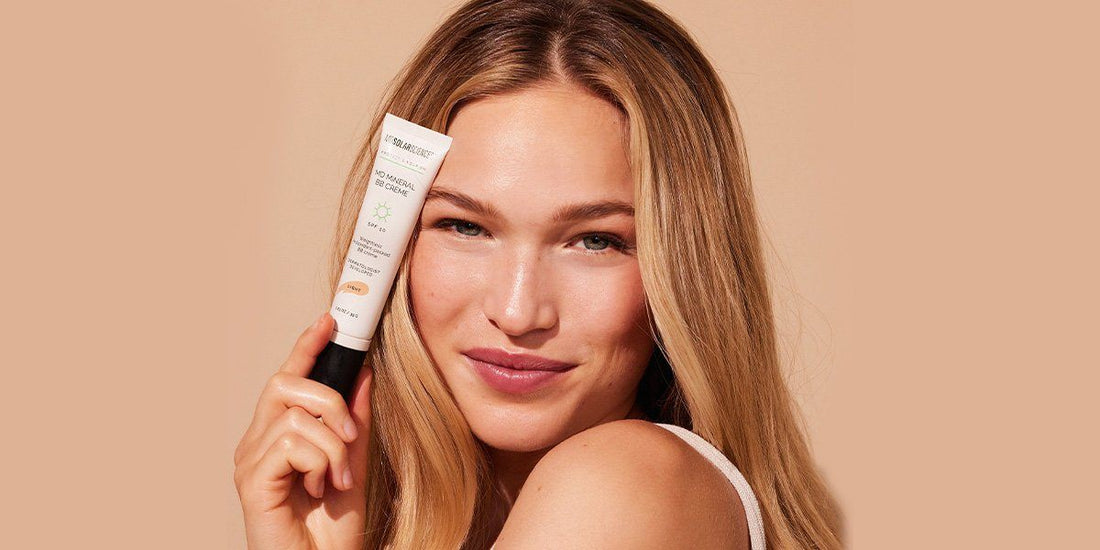
SPF Isn't Seasonal
For most of us, Summer and SPF go hand-in-hand. But what about SPF in the Fall or even Winter? Do you still need to wear sunscreen after Summer? Short answer: Yes! Just because your skin doesn’t feel like it’s burning in the colder months doesn’t mean it isn’t at risk.
Learn more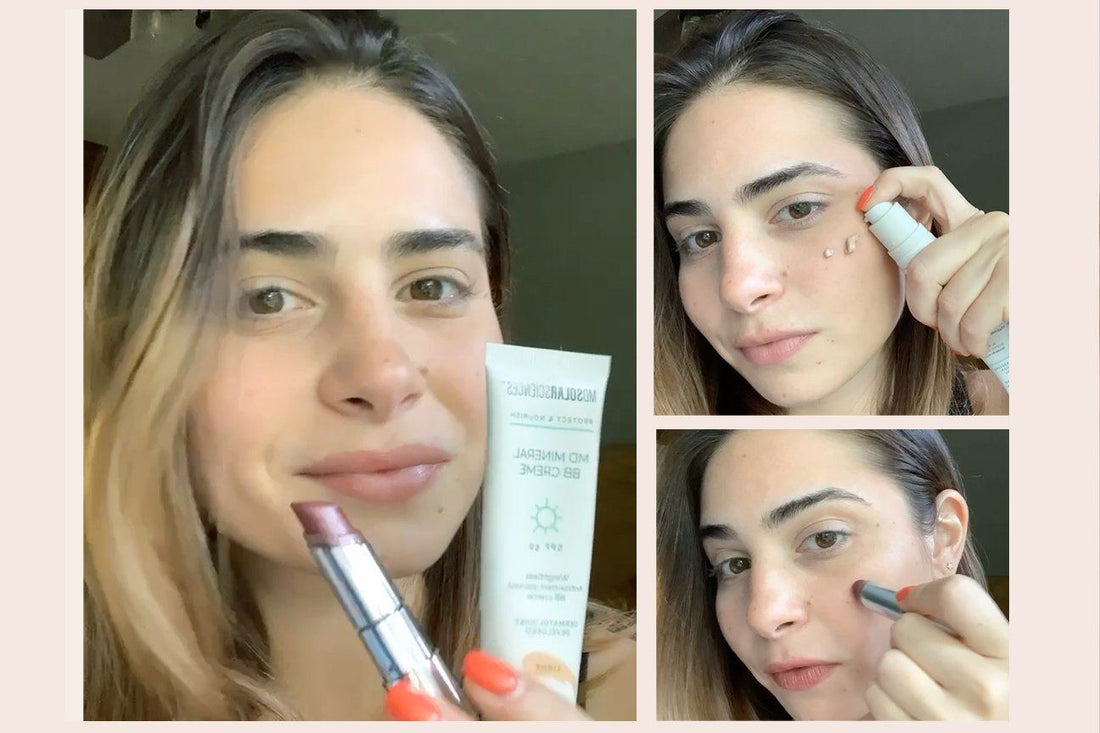
Make mornings simple: 2-step makeup routine
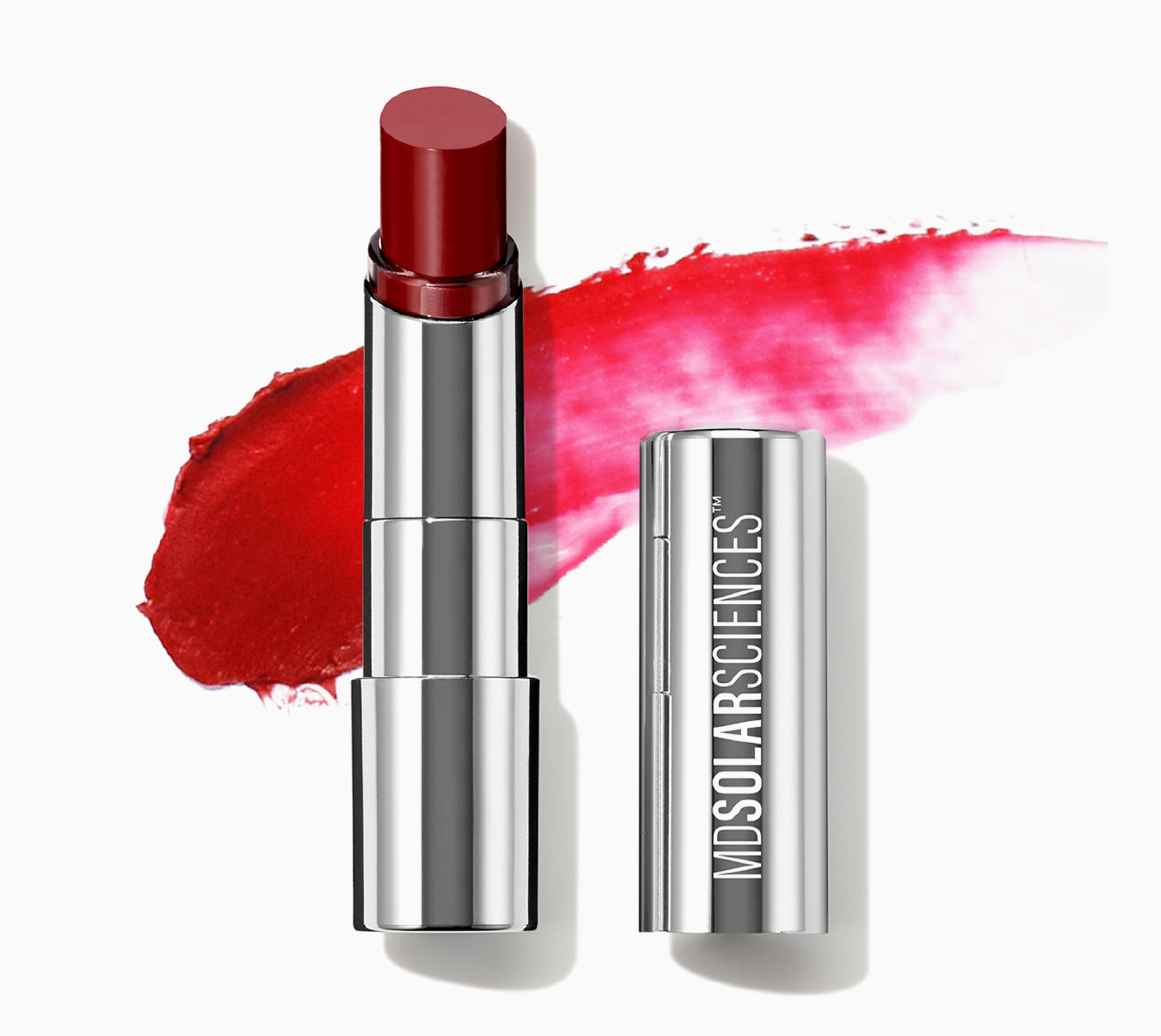
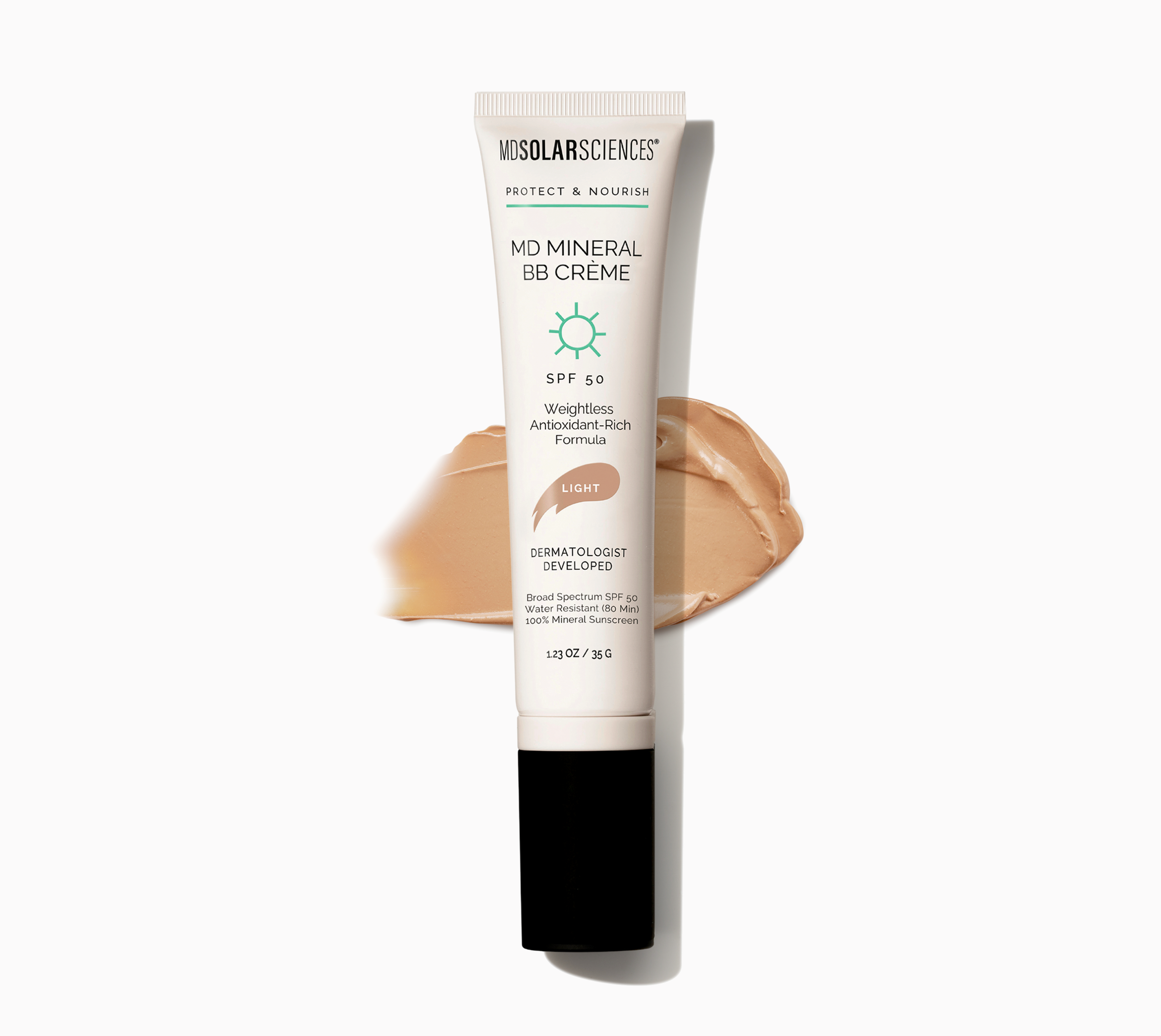
Mornings always rushed? Check out blogger @livingfrostly’s minimalist makeup routine that gets her ready in minutes. Plus, keeps her skin glowing and protected all day long! Step 1: MD Mineral BB Creme SPF 50 This whipped and creamy BB Creme with broad-spectrum SPF 50 provides light, tinted coverage to mask hyperpigmentation + discoloration without covering up your natural beauty. Available in 3 shades : Light, Medium and Dark. Step 2: Hydrating Sheer Lip Balm SPF 30 Add a dab of color and SPF protection to your lips, cheeks and eyelids with this ultra-hydrating lip balm. Made with shea, avocado and olive butters for all day moisture. Comes in 5 shades.
Learn more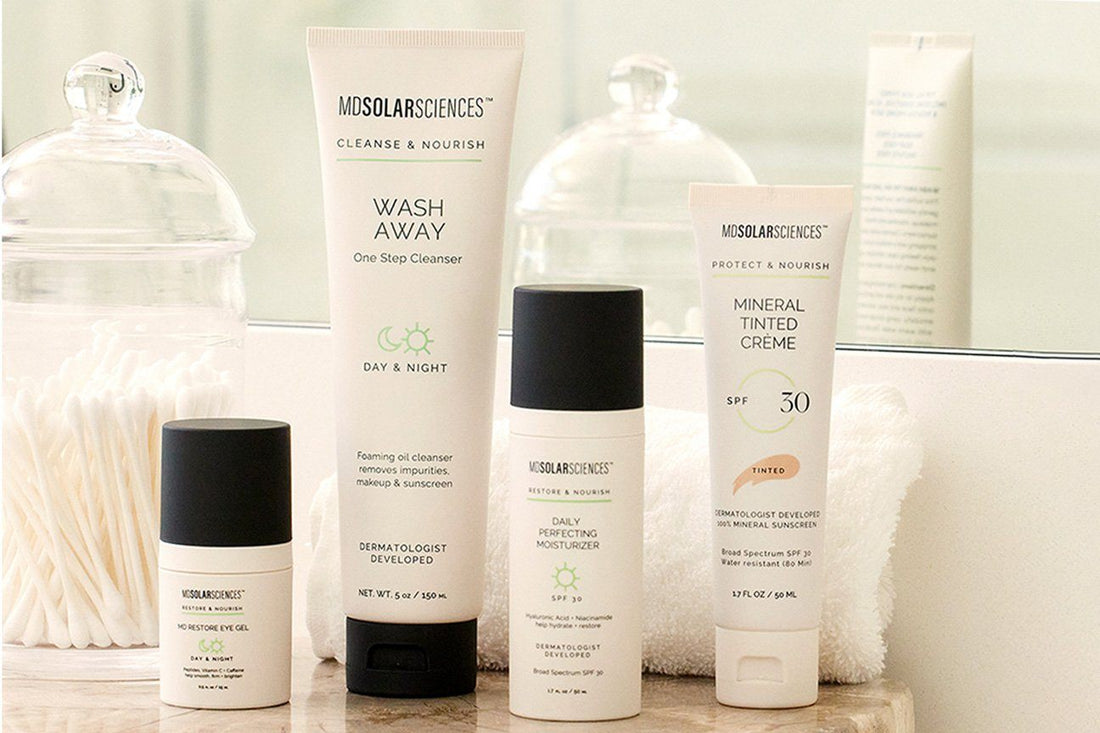
The best skincare routine for all skin types
When it comes to forming good skincare habits, a daily routine can majorly boost your chances of seeing real results. But what should my skincare routine be? Skincare is very personal and often confusing (we’ve all heard of 12-step skincare routines!). Which is why we worked with dermatologists to create clean and safe formulas that not only keep skincare simple but work for all skin types, even the most sensitive. How? By infusing them with skin-loving, nourishing and reparative ingredients for multitasking effects. But wait… there’s more! Thanks to our latest launch - Wash Away One-Step Cleanser - creating a simple and complete skincare routine using our formulas is now easier than ever. MORNING SKINCARE ROUTINE STEP 1: Cleanse + nourish with Wash Away Gentle on skin, tough on build up! This single-cleanse formula effortlessly washes away stubborn makeup, sunscreen and impurities. Packed with nourishing ingredients, such as powerful antioxidants, hyaluronic acid and Vitamin B5, this lightly-exfoliating and low-foam cleanser leaves skin feeling refreshingly clean, but never stripped or tight. It also leaves skin with the perfect clean and clear foundation for the rest of your routine to work more deeply and effectively. STEP 2: Restore + nourish eyes with MD Restore Eye Gel After cleansing, your next step is to give your eyes some love. A quick dab’ll do ya with our eye gel. Packed with an incredible 5 nourishing peptides plus caffeine and antioxidants, it helps reduce signs of sun damage while giving skin a firmer, more elastic appearance. It also continues to work throughout the day, releasing mega moisture, and niacinamide that keep working to reduce the appearance of unwanted baggage. STEP 3: Moisturize + nourish with Daily Perfecting Moisturizer SPF 30 We like to keep things simple. That’s why we combined a moisturizer and SPF in one! Its soothing, lightweight formula will give your skin a mega dose of hydration, antioxidants, restoring and calming ingredients (like hyaluronic acid, chamomile, caffeine and olive oils) and broad-spectrum SPF 30 protection for a dewy, youthful glow. Plus, this formula goes on clear and leaves no white cast, perfect for all skin tones. It's a solid makeup primer, or great to wear on its own as it leaves skin with a natural healthy glow. STEP 4: Protect + nourish with Mineral Tinted Creme SPF 30 This step is optional in the morning, thanks to our moisturizer with SPF. But because its tinted formula leaves a matte, filter-like finish on your skin, it’s great as a makeup primer or even on its own for that no-makeup look. Just like all our formulas, this multitasker comes infused with skin-loving ingredients, such as antioxidants, Vitamin C, Vitamin E, green tea, cranberry fruit and pomegranate extract. We recommend keeping this most-loved tinted formula on hand throughout the day for easy reapplication (even works over makeup!). NIGHTTIME SKINCARE ROUTINE STEP 1: Cleanse + nourish with Wash Away Always start your evening routine by washing away the day. Besides makeup and sunscreen, our skin gets exposed to dirt, grime, pollution, free radicals and whatever else is in the air. If left unwashed, it can leave skin looking aged, tired, dull and lackluster. Wash Away quickly and easily removes all of this build up in a single step for skin that’s more receptive to the rest of your evening routine. STEP 2: Restore + nourish eyes with MD Restore Eye Gel Just as you did in your morning routine, follow your cleanse with our ultra-soothing and nourishing eye gel for skin that looks brighter and younger, and feels firmer and more elastic. This is especially essential after a day in the sun to help reduce any sun damage. Our Eye gel is fragrance free, which can be important for anyone with fragrance sensitivity. STEP 3: Moisturize + nourish skin with MD Revitalize Retinol Serum Last step before you catch some Zzz’s! At night, our skin switches into repair mode to recover from the day. Which makes it the perfect time to use our nighttime serum with encapsulated + stabilized retinol. This lightweight formula helps reduce the appearance of hyperpigmentation, fine lines, wrinkles and pores while you sleep for skin that looks brighter, youthful and radiant in the morning. Worried about your skin’s sensitivity to retinol? Unlike traditional formulas, our encapsulated retinol is able to delicately move its way deeper into the skin before it's activated. This helps to avoid the side effects of dryness, peeling, and irritation that you may get from traditional retinols. For more information on our products' formulas and skin-loving ingredients, check out this blog.
Learn more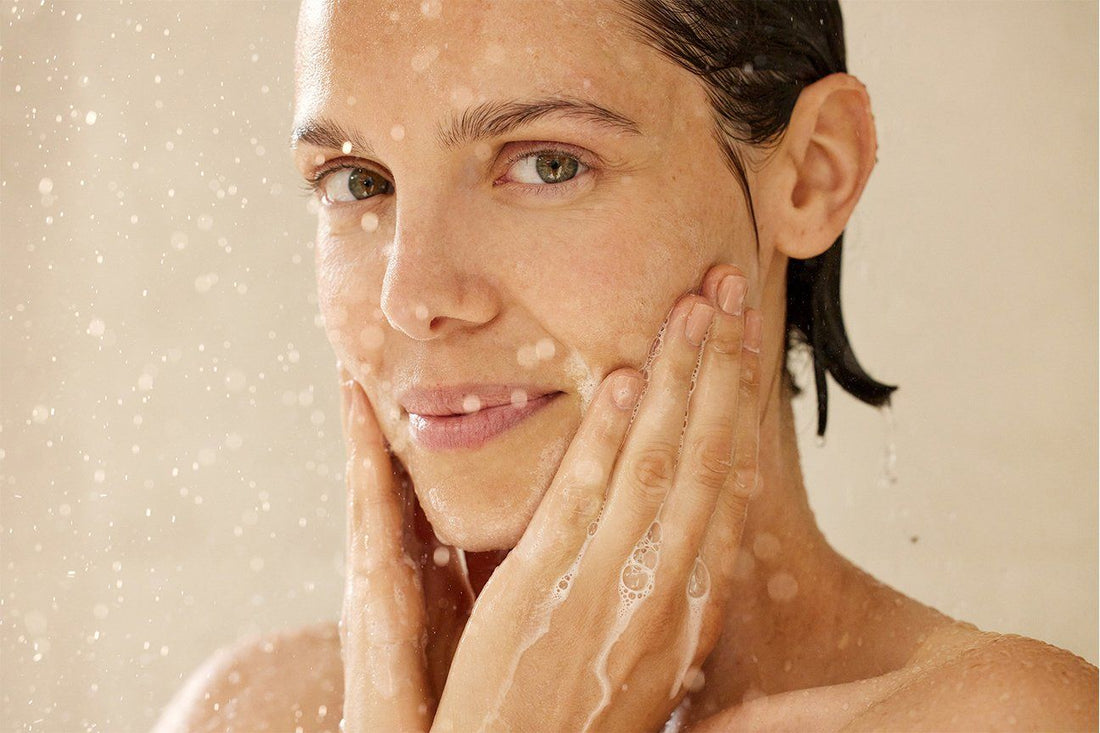
The science behind Wash Away’s super-clean feel
We always knew that one day we’d create a face cleanser to complete our collection. But we didn’t want to add yet another face wash to an already oversaturated market just to say we did it. We wanted to go deeper (literally!) without complicating your skincare routine. Given our commitment to skin health and sun protection, it only made sense for us to formulate a cleanser that could effectively remove impurities AND sunscreen. But rather than going the typical route of creating an oil-based cleanser to remove sunscreen and a water-based cleanser to clear the rest, we thought… why not combine them into one? So we did! The result is a cleanser that’s tough enough to remove makeup, impurities, and sunscreen (even mineral sunscreen!) without stripping your skin or messing with its PH. It’s also fragrance- and irritant-free, making it the ideal cleanser for even the most sensitive skin types. Ready to meet your new cleanser? Let’s dive in! How does Wash Away’s “one step” formula work? What makes this cleanser truly amazing is its ability to wash away mineral sunscreen with ease, and without double cleansing. When you apply a mineral sunscreen, two things happen: First, its main protective ingredients, Zinc Oxide and Titanium Dioxide, settle on top of the skin to protect your skin from damaging UV rays. Then, a typically silicone-based (aka, oil), water-resistant barrier sits on top of those ingredients, making sure the sunscreen does not run when you’re sweating or swimming. Necessary for protecting your skin… but a pain to try and wash off later, especially if your cleanser is solely water-based (because, as we all know, oil and water don’t play well together!). In order to truly clean your skin, you need to first be able to break down the water-resistant barrier, then you can get to the zinc, titanium dioxide and grime underneath. That’s where Wash Away comes in! Here’s how it works: First, gentle, sulfate-free surfactants (cleansing agents) break down the water-resistant barrier. From there, the oils - grape seed and argan oil - are no longer obstructed from going in and loosening up any zinc, Titanium Dioxide, dirt, makeup (even mascara!) and other impurities your skin picked up over the day, for ease of washing off. While you wash, your skin is also soaking in major goodness. Like all MDSolarSciences formulas, Wash Away also pampers and nourishes your skin as it cleanses. Light Exfoliation This low-foam formula contains pineapple and apple extracts, which provide very mild, surface-level exfoliation to help remove any dead skin or trapped minerals. Fruit-based Antioxidants Pomegranate extract, green tea extract, and grape seed oil all help in neutralizing any damaging and dulling free radicals your skin picks up from the sun. Grape seed oil also provides the highest level of linoleic acid from a fruit - aka, major anti-aging benefits such as an increase in ceramides. Moisturizing AND Hydrating Agents Both of these are required to keep skin plump, free of fine lines and rosy! The hydrating agents - Panthenol (Pro Vitamin B5), Glycerin, Hyaluronic acid - attract and hold water to the skin, while the moisturizing agents - Argan oil, Squalane, Grape seed oil - leave a thin “barrier” that prevents water from evaporating. So skin stays hydrated and plump all day! How to add Wash Away to your regular routine Because of its super gentle, non-irritating formula, this cleanser can be used twice a day to wash away your day… and night! A.M. Routine - Wash Away + MD Restore Eye Gel + Daily Perfecting Moisturizer SPF 30 P.M. Routine - Wash Away + MD Restore Eye Gel + MD Revitalize Retinol Serum To learn more about skincare routines in the Fall and Winter, check out this blog.
Learn more
5 simple tips for beautiful skin from the inside out
The key to beautiful skin? It starts from within! If your goal is to have smooth, even skin that looks healthy, young and glowy, then taking care of your body is a must - both inside AND out! Inside, check out our 5 tips for improving skin naturally.
Learn more
Easiest 3-step skincare routine for men
Okay gentlemen, it’s time to talk about your daily skincare routine! Despite the 12-step routines you may have witnessed your sister/mom/girlfriend perform, taking care of your skin doesn’t have to be complicated. Especially if you use multitasking, feel-good formulas, like MDSolarSciences, that not only help you combine essential steps but feel incredible on your skin. The truth is, creating your own skincare routine isn’t just about having good skin. According to the American Academy of Dermatology, men are much more likely to develop melanoma than women - a discrepancy that continues to increase as they age. The main reason being? Women are more likely to have a skincare routine and also use makeup and other cosmetics that double as an SPF. The good news is we’ve got you covered with expert advice! Check out this dermatologist-recommended super simple 3-step skincare routine for men. Today, dermatologist Dr. Chris Tomassian is sharing his super simple 3-step skincare routine for men: Check out what Dr. Tomassian recommends below! STEP 1: CLEANSE 1-2 times a day Dirt, germs, pollution, excess oil, dead skin cells - a lot builds up on your face throughout the day. If left unwashed, it can clog your pores, resulting in breakouts. Cleansing with a gentle face wash 1-2 times a day helps keep your skin clean and fresh for a healthier, more youthful appearance for longer. STEP 2: MOISTURIZE 1-2 times a day Moisturizing your face regularly is essential to ensure the skin stays soft, smooth and hydrated. Even better? Choosing a multitasking moisturizer that comes with added benefits and feels silky-smooth on the skin. Here are a few of our favorites: AM Moisturizer: Daily Perfecting Moisturizer SPF 30 Lightweight, ultra-hydrating and nourishing with zero white cast, this dermatologist-developed moisturizer also provides broad-spectrum protection and powerful antioxidants to help keep skin safe from the sun. PM Moisturizer: Evening Retinol Serum This lightweight moisturizing serum works overnight to help smooth, tone and revitalize skin. Encapsulated retinol (0.75%) helps reduce the appearance of hyperpigmentation, fine lines, wrinkles and pores, while calming ingredients (such as chamomile, seaweed extract, caffeine, aloe and niacinamide) brighten for a radiant, fresh-faced finish. STEP 3: PROTECT Throughout the day, every 2 hours when in the sun Whether you’re spending the day inside or out, your skin ALWAYS needs protection from the sun. This will help reduce your chances of developing melanoma, plus save your skin from premature aging, fine lines, wrinkles and hyperpigmentation. Here are a few of our favorite suncare formulas for protecting and reapplying throughout the day… so creamy and soft, they don’t even feel like SPF! Mineral Tinted Crème SPF 30 The ultimate multitasker, this lightweight mineral formula blends effortlessly into skin, evens out tone and provides a matte finish. Broad-spectrum protection, powerful antioxidants and nourishing ingredients keep skin protected and healthy-looking. Solar Stick SPF 40 Your essential on-the-go SPF! Convenient and portable, this non-whitening formula glides on flawlessly and delivers powerful mineral protection that’s lightweight, oil-free and water-resistant for up to 80 minutes. Check out our Tinted Solar Stick SPF 40 for broad-spectrum protection that also doubles as a matte finish that blurs imperfections. Quick Dry Body Spray SPF 40 This non-greasy, fast-drying formula with a 360-degree continuous spray makes full-body application (and reapplication!) quick and easy. Oil-free and water-resistant, it’s ideal for an active lifestyle or long days spent in the sun. Thank you for reading! If you've noticed our latest packaging update and would like to learn more, check out this blog to learn why we made our packaging more sustainable!
Learn more