If you've ever skipped SPF because you didn't want to "block" your tan, this one's for you.
The Short Answer
No, sunscreen does not completely stop you from tanning. But it does change how your skin responds to the sun — and understanding that difference might just change how you think about SPF forever.
What Actually Causes a Tan?
Before we get into sunscreen, let's talk about what a tan actually is. When your skin is exposed to ultraviolet (UV) radiation from the sun, your body triggers a defense mechanism: melanocytes (the cells responsible for pigment) produce more melanin to absorb and scatter UV rays. That darkening of the skin? That's your body trying to protect itself from damage.
In other words, a tan is not a sign of health — it's a sign that your skin has been injured and is doing its best to cope.
There are two types of UV rays to know:
- UVB rays — responsible for sunburn and surface-level skin damage
- UVA rays — penetrate deeper into the skin and are the primary driver of tanning, premature aging, and long-term DNA damage
Both contribute to skin cancer risk.
So What Does Sunscreen Actually Do?
Sunscreen — especially broad spectrum SPF — works by absorbing, reflecting, or scattering UV radiation before it can penetrate your skin. It doesn't create an invisible force field that blocks 100% of UV rays. What it does is significantly reduce the amount of UV radiation that reaches your skin cells.
Here's the math: an SPF 30 filters out approximately 97% of UVB rays. An SPF 50 filters out approximately 98%. That remaining 1-3% of UV exposure? That's still enough to trigger some melanin production — which means yes, you can still tan while wearing sunscreen.
But here's the critical difference: that tan happens with dramatically less UV damage to your skin cells, less risk of sunburn, and far lower cumulative risk of skin cancer and premature aging.
Can You Still Get a Glow With SPF On?
Yes — and this is the part most people miss. Wearing sunscreen doesn't mean you'll come home from the beach looking exactly the same as when you left. It means you'll get less UV exposure, which slows down the tanning process and reduces the intensity of the tan.
But slower and lighter doesn't mean zero. Many people who wear SPF consistently still develop a natural, gradual glow over a summer — just without the peeling, the sunburn, and the long-term skin damage that comes with unprotected sun exposure.
If a bronzed look is your goal, there are safer ways to get there:
- Self-tanner or tanning drops layered under or over your SPF give you color without UV damage
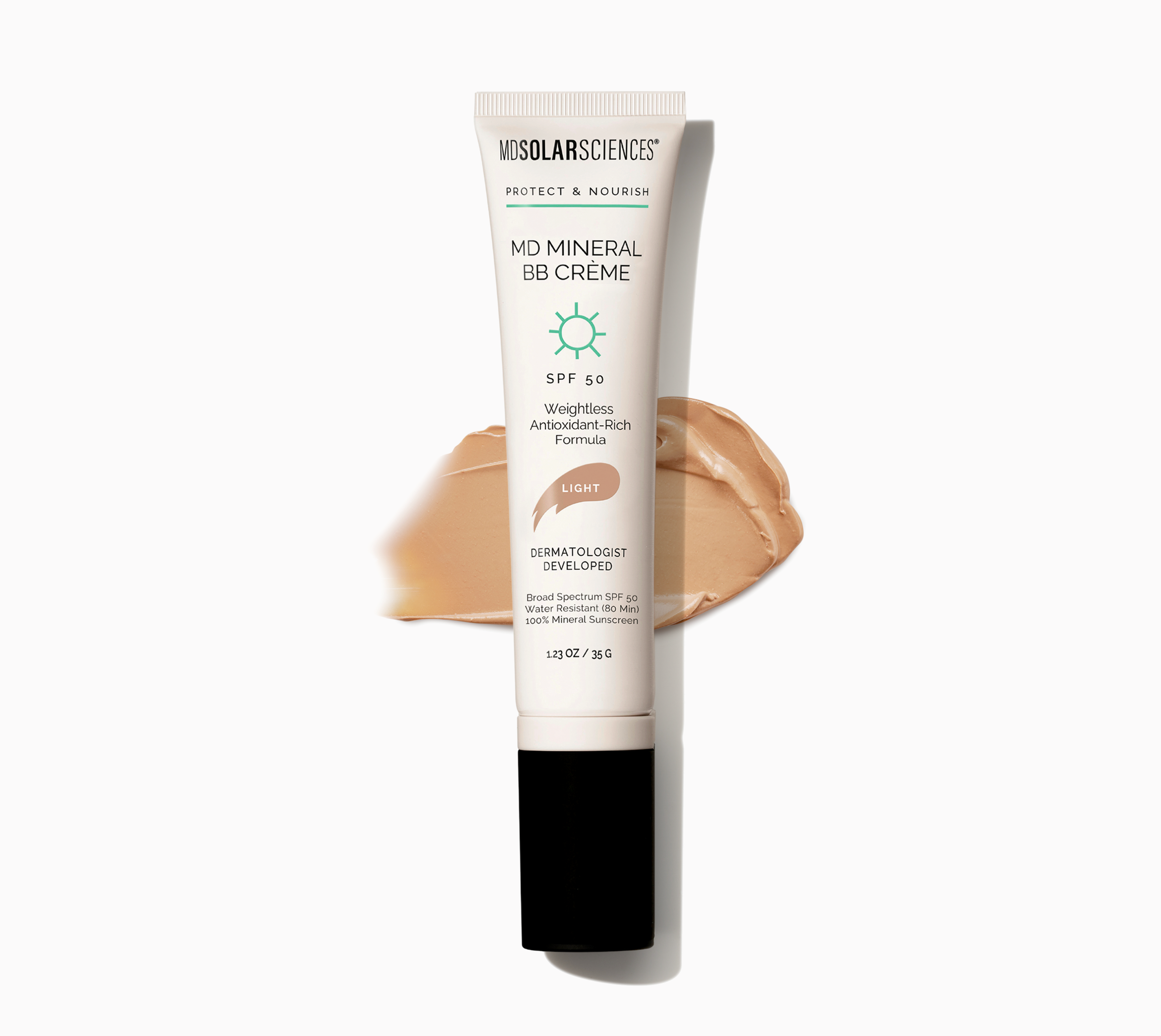
- Tinted SPF and bronzing formulas create the appearance of warmth and glow while protecting your skin
- Gradual sun exposure with SPF can still build a light, natural tan over time — just without cooking your skin in the process
Why Skipping SPF to Tan Faster Is Never Worth It
We get it — the logic seems to make sense. Less sunscreen = more UV = faster tan. But here's what you're actually signing up for when you skip SPF:
- DNA damage — UV radiation causes direct damage to your skin's DNA, which accumulates over time and increases skin cancer risk
- Premature aging — UVA rays break down collagen and elastin, leading to wrinkles, sagging, and hyperpigmentation years before their time
- Uneven pigmentation — unprotected sun exposure is one of the leading causes of dark spots, melasma, and post-inflammatory hyperpigmentation
- Skin cancer — the most common cancer in the United States, and one of the most preventable with consistent sun protection
The tan fades. The damage doesn't.
The Reapplication Factor
One reason people feel like sunscreen "isn't working" or is stopping them from tanning is actually a reapplication issue. Sunscreen breaks down with sun exposure, sweat, and water — which is why dermatologists recommend reapplying every 80 minutes during outdoor activity, or immediately after swimming or sweating.
If you apply SPF in the morning and spend six hours outside without reapplying, you're spending most of that time with little to no protection. And at that point, any tanning (or burning) you experience has nothing to do with sunscreen stopping it — it's because the sunscreen is no longer doing its job.
Tips for keeping your SPF working all day:
- Apply generously — most people use far less than the recommended amount (about a shot glass worth for the body, a nickel-sized amount for the face)
- Reapply every 80 minutes outdoors
- Use water-resistant SPF if you're swimming or sweating
- Don't forget ears, the back of the neck, hands, and feet
What Dermatologists Actually Say
Dermatologists are unequivocal on this: there is no such thing as a safe tan from UV exposure. Any color change from the sun is evidence of skin damage. The American Academy of Dermatology recommends wearing broad spectrum SPF 30 or higher every single day — rain or shine, indoors or out — because UV rays penetrate clouds and windows.
At MDSolarSciences, we were founded on this exact mission. Our brand was built around the belief that protecting your skin from the sun is one of the single most powerful things you can do for your long-term health — and that great SPF should feel good enough that you actually want to wear it every day.
The Bottom Line
Sunscreen doesn't stop you from tanning — but it does protect you while you do. It slows down and reduces the intensity of UV-driven color change while dramatically cutting your risk of sunburn, premature aging, and skin cancer. The glow you want is still achievable. The damage that comes with unprotected sun exposure is not worth it.
Wear your SPF. Reapply. And if you want a deeper tan, reach for a self-tanner — your future skin will thank you.
MDSolarSciences offers a full range of dermatologist-developed, broad spectrum mineral and chemical SPF formulas for face, body, and kids — designed to feel like skincare, not sunscreen. Shop at mdsolarsciences.com.