The Short Answer
Yes, sunscreen absolutely expires, and using expired sunscreen is one of the most common sun protection mistakes people make without even realizing it. An expired sunscreen may look and feel almost identical to a fresh one, but its ability to protect your skin from UV radiation has significantly degraded.
In other words: you think you're protected. You're not.
How Long Does Sunscreen Last?
The FDA requires all sunscreens to maintain their stated SPF for at least 3 years from the date of manufacture. Most sunscreens will have an expiration date printed on the packaging — either on the bottom of the tube, the crimped end of a bottle, or the back of the label.
If there's no expiration date listed, the FDA recommends treating any sunscreen that's more than 3 years old as expired and replacing it.
Here's what to look for:
- EXP or Best By date on the packaging
- A PAO symbol (an open jar icon with a number like "12M" or "24M") — this tells you how many months the product is good for after opening
- No date at all — assume a 3-year shelf life from purchase
What Happens When Sunscreen Expires?
Sunscreen works because of its active ingredients — either chemical filters (like avobenzone or octinoxate) or mineral filters (zinc oxide and titanium dioxide). Over time, these ingredients break down and lose their effectiveness.
Here's what happens specifically:
Chemical sunscreens degrade faster. The UV-absorbing molecules in chemical filters are inherently unstable — exposure to light, heat, and air accelerates their breakdown. An expired chemical sunscreen may have significantly lower SPF than what's printed on the label.
Mineral sunscreens (zinc oxide and titanium dioxide) are more stable and tend to hold up better over time — but the formulation around them (emulsifiers, stabilizers, moisturizing agents) can still degrade, affecting texture, application, and ultimately how well the product adheres to and protects your skin.
The bottom line: expired sunscreen of any kind cannot be trusted to deliver the SPF protection it claims.
Signs Your Sunscreen Has Expired (Even Before the Date)
Sometimes sunscreen goes bad before its printed expiration date — especially if it's been stored improperly. Here's what to watch for:
- Separation — the formula has split into layers or looks watery
- Texture change — it feels grittier, clumpier, or thinner than usual
- Color change — yellowing or darkening of a formula that used to be white or clear
- Smell change — an off, rancid, or chemical odor
- Consistency issues — it's harder to spread or doesn't absorb the way it used to
Any of these signs? Toss it — regardless of the expiration date.
What Causes Sunscreen to Expire Faster?
How you store your sunscreen has a huge impact on how long it stays effective. The biggest culprits for premature expiration:
🌡️ Heat — leaving sunscreen in a hot car, on a beach towel in direct sun, or in a warm bathroom accelerates ingredient breakdown significantly. Sunscreen should ideally be stored at room temperature, away from direct heat.
☀️ Sun exposure — ironic but true: leaving your sunscreen bottle sitting in the sun while you're at the beach can degrade the formula faster.
💧 Water contamination — getting water into the bottle (from wet hands, for example) introduces bacteria and can compromise the formula.
🔓 Leaving the cap off — exposure to air oxidizes both chemical and mineral filters over time.
Pro tip: Store your sunscreen in a cool, shaded bag or a cooler at the beach, and always close the cap tightly after use.
Can You Use Expired Sunscreen in an Emergency?
We get it — you're at the beach, it's blazing hot, and the only sunscreen you have is three years old. Here's our honest take:
Expired sunscreen is better than nothing — but it is not reliable protection. You should not count on it to deliver its stated SPF, and you should reapply more frequently than usual if you use it. But the real answer is: plan ahead and replace it.
Sunscreen is not a product worth skimping on. Skin cancer is the most common cancer in the United States, and expired SPF won't give you the protection you need.
How to Know When to Replace Your Sunscreen
A few practical guidelines:
- Replace every season. If you open a new sunscreen at the start of summer and use it regularly, it should last the season — then replace it next year.
- Write the date on the bottle. When you open a new sunscreen, write the date on the bottom with a marker. That way you always know how long it's been open.
- Check before every trip. Before a beach vacation or outdoor event, check the expiration date on every sunscreen you're packing.
Does Mineral Sunscreen Last Longer Than Chemical?
Generally, yes — mineral sunscreens with zinc oxide and titanium dioxide as active ingredients are more photostable than chemical sunscreens. The mineral filters themselves don't break down as quickly under UV exposure.
However, this doesn't mean mineral sunscreen lasts forever. The base formulation — the emollients, stabilizers, and other ingredients that make the product spreadable and skin-friendly — will still degrade over time.
At MDSolarSciences, all of our mineral formulas are designed to be as stable as possible — but we still recommend replacing them before the expiration date and storing them properly to get the most out of every bottle.
The MDSolarSciences Lineup — Fresh, Effective, and Worth Replacing
If your current sunscreen is looking (or smelling) a little questionable, this is your sign to refresh your SPF collection. Our full lineup of dermatologist-developed, broad spectrum SPF formulas is designed to protect, feel luxurious, and actually make you want to apply — and reapply — every single day.
For your face:
- Mineral Crème SPF 50 — lightweight, sensitive skin-friendly, reef safe mineral SPF for daily wear
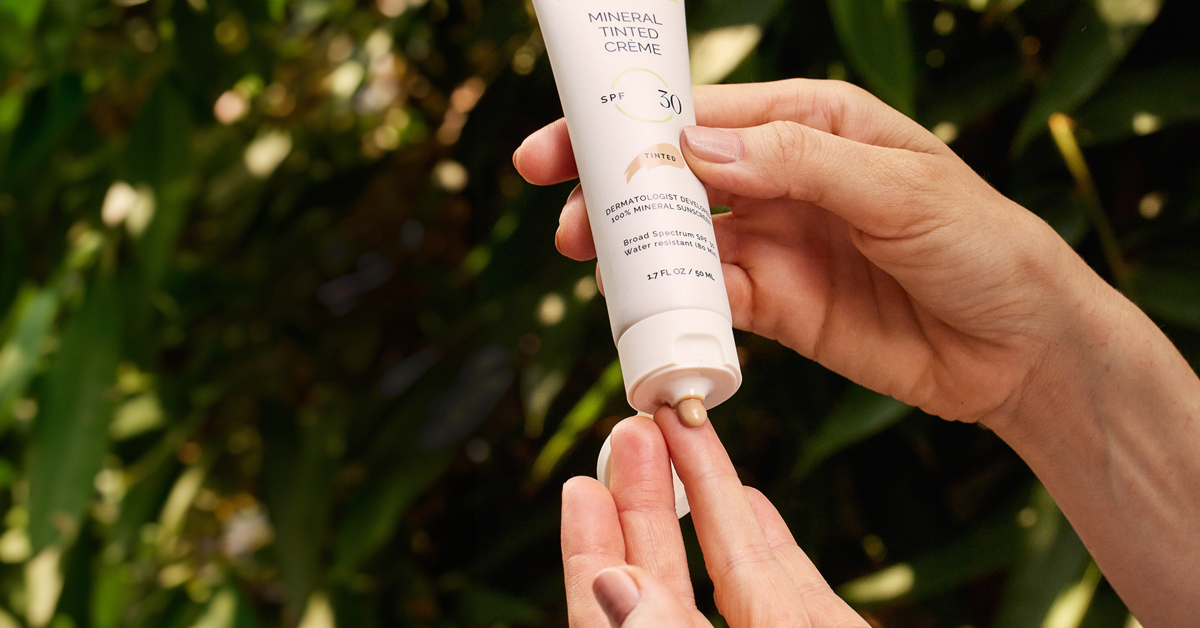
- Mineral Tinted Crème SPF 30 — your tinted SPF moisturizer that replaces your morning routine
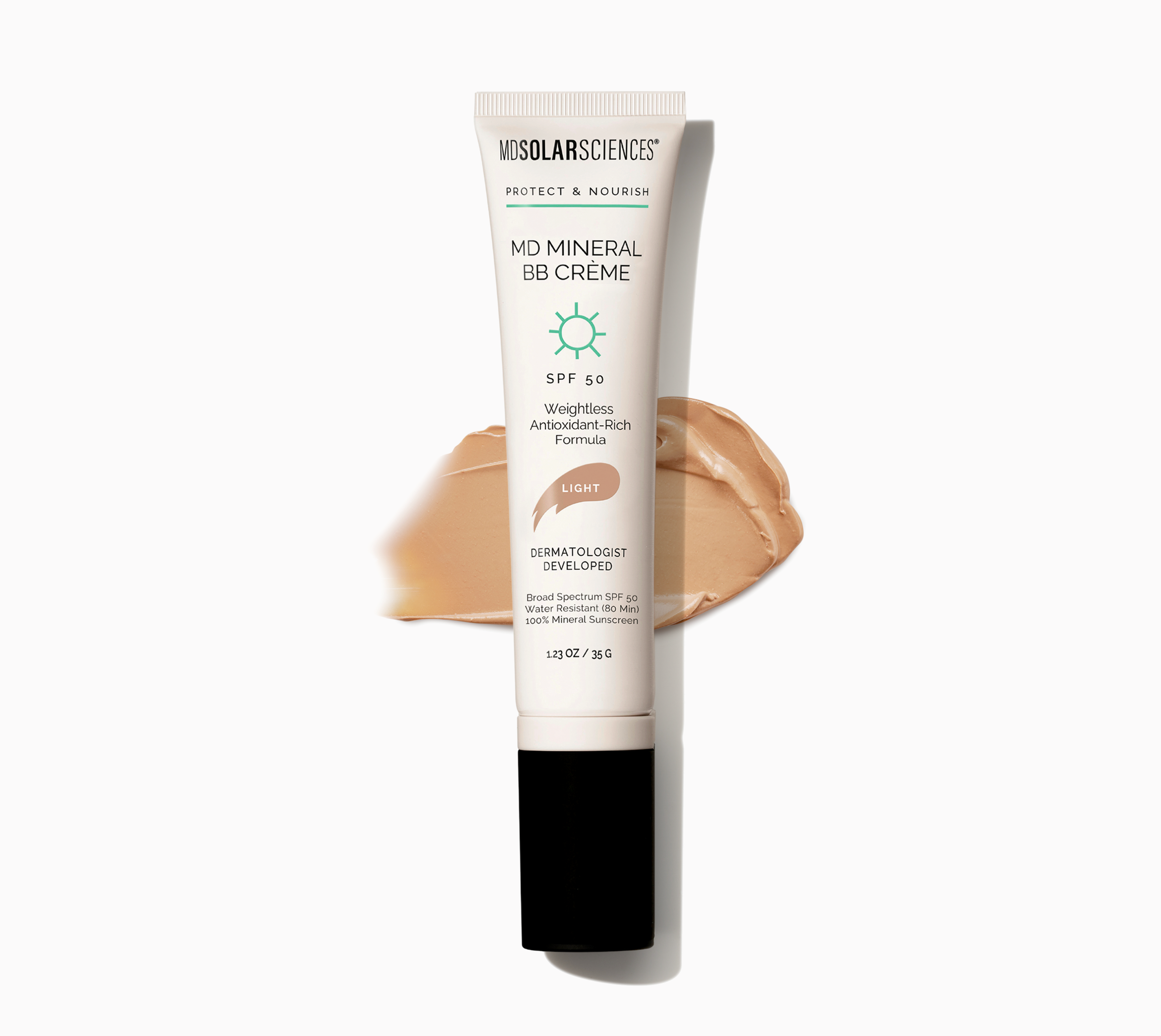
- BB Crème SPF 50 — buildable coverage, antioxidant-rich, broad spectrum SPF 50
For your body:
- Quick Dry Body Spray SPF 40 — non-aerosol spray for fast, mess-free full-body coverage
- Mineral Crème SPF 50 — lightweight, sensitive skin-friendly, reef safe mineral SPF for daily wear
For the kids:
- Mineral KidCrème SPF 50 — gentle, hypoallergenic, reef safe SPF for babies 6 months and up
- Mineral KidStick SPF 40 — one-swipe application, no mess, no meltdown
- KidSpray SPF 40 — non-aerosol kids spray for quick full-body coverage
All products are dermatologist-developed, cruelty free, and formulated to maintain stability — but like all sunscreens, they have a shelf life. Replace them when they expire. Your skin is worth it.
The Bottom Line
Sunscreen expires — and using an expired formula means you're not getting the protection you think you are. Check the expiration date before every use, store your sunscreen properly, and replace it every season. It's one of the simplest things you can do for your long-term skin health.
👉 Shop fresh, dermatologist-developed SPF at mdsolarsciences.com