We sat down with Michelle McFarland, MSN, APRN, DCNP, FNP-C — double board-certified nurse practitioner in dermatology and family health, founder of Bare Concierge, and the kind of skin expert who has spent her career making sun protection approachable, practical, and grounded in science. Michelle's passion for sunscreen was shaped early in her career while caring for patients with melanoma and other complex skin cancers at Memorial Sloan Kettering Cancer Center in New York City. She has since authored a professional manuscript examining sunscreen innovation and access in the United States, currently undergoing peer review for publication. We asked her everything.
1. What do you tell patients who say they don't need sunscreen because they have darker skin or "never burn"?
Having more melanin in the skin does provide some natural protection from UV radiation, but it doesn’t make anyone immune to sun damage. I remind my patients that a sunburn is only one visible sign of UV injury- you can accumulate damage over time without ever experiencing a noticeable burn, contributing to concerns like hyperpigmentation, uneven skin tone, and premature aging.
While skin cancer may generally be less common in people with darker skin tones, it can still occur, and sun protection remains an important part of reducing UV-related risk. Ultimately, sunscreen isn’t just about preventing a burn- it’s about minimizing cumulative UV exposure and protecting the health and appearance of your skin over a lifetime.
2. What is the number one skin mistake you see patients make that accelerates aging — and how does SPF factor into preventing it?
The number one mistake I see is simply not applying enough sunscreen, or not reapplying it appropriately. You can buy a great SPF, but if you’re only applying a fraction of the amount used during SPF testing, you may not be getting the level of protection listed on the bottle.
As an easy rule of thumb, I recommend applying sunscreen generously to the face and neck- roughly two full finger lengths is a helpful visual guide. Give it a try the next time you apply yours; you may be surprised by how much sunscreen that actually is! When you’re outdoors, reapply approximately every two hours, as well as after swimming, sweating, or toweling off.
3. What are some misconceptions about chemical sunscreens — and how do you know when to recommend one over the other to a patient?
One of the biggest misconceptions I hear is that “chemical” sunscreen automatically means harmful or unsafe- something I think has been amplified by confusing marketing and misinformation on social media.
While I tend to favor mineral SPF for myself, sunscreen isn't one-size-fits-all. Mineral sunscreens can be a great option for sensitive skin, children, or people who simply prefer them; while organic UV filters, often referred to as “chemical” sunscreens, may feel lighter, blend more easily, and leave less visible residue.
Ultimately, unless a patient has a specific skin concern that influences my recommendation, I recommend whichever sunscreen they’re most likely to apply generously and consistently. The best sunscreen is one you'll actually wear.
4. How early should someone start wearing SPF daily — and is it ever too late to start?
It’s never too early to build good sun-protection habits- and it’s never too late to start. For babies under 6 months, I recommend prioritizing shade, protective clothing, and hats. According to the American Academy of Dermatology, once babies are 6 months old, sunscreen can become part of their regular sun-protection routine, particularly on skin that isn’t covered by clothing.
I have an Australian family, and I’m always impressed by how ingrained sun protection is in kids’ everyday routines there- it’s almost like brushing their teeth. UV damage is cumulative, so building those habits early matters. But it’s never too late to start protecting your skin and reducing future UV exposure.
5. What should patients look for on a sunscreen label — and what should they avoid?
I tell patients to keep it simple: look for broad-spectrum protection, SPF 30 or higher, and water resistance.
What I don’t recommend is choosing sunscreen based on fear of a particular ingredient. Instead, consider your skin type and how you’ll actually use the product- if you’re acne-prone, for example, look for non-comedogenic, mineral-based formulations.
Most importantly, choose something you enjoy wearing. A sunscreen can check every box on the label, but it won’t offer much benefit if it sits unused in your bathroom cabinet.
6. How does daily SPF use affect hyperpigmentation and dark spots over time?
Daily SPF is one of the most important steps for anyone treating hyperpigmentation. UV exposure can darken existing spots and contribute to new or worsening pigmentation, so consistent sunscreen use helps protect your progress.
For patients prone to melasma or hyperpigmentation, I especially love tinted sunscreens with iron oxides. The tint isn’t just cosmetic- iron oxides provide additional protection against visible light, which can also worsen pigmentation, particularly in darker skin tones.
I often tell patients: you can invest in all the brightening products and treatments you want, but if you’re not protecting your skin from what’s triggering the pigment in the first place, you’re limiting the progress you’re trying to make.
7. What do you say to patients who skip sunscreen on cloudy days or when they're mostly indoors?
I usually say, “Just trust me on this one!” and remind patients that UV exposure doesn’t disappear just because you can’t see the sun. UVA rays can penetrate clouds and window glass, so you can still accumulate exposure on overcast days, while driving, or sitting near a window.
My advice? Make SPF part of your morning routine rather than deciding each day whether you “need” it. Take the decision-making out of it!
8. What's your personal daily SPF routine — and what products do you recommend?
SPF is basically my daily Super Bowl, my excitement, and honestly a big part of my skincare and makeup routine! I’m constantly trying different formulas, textures, and tints.
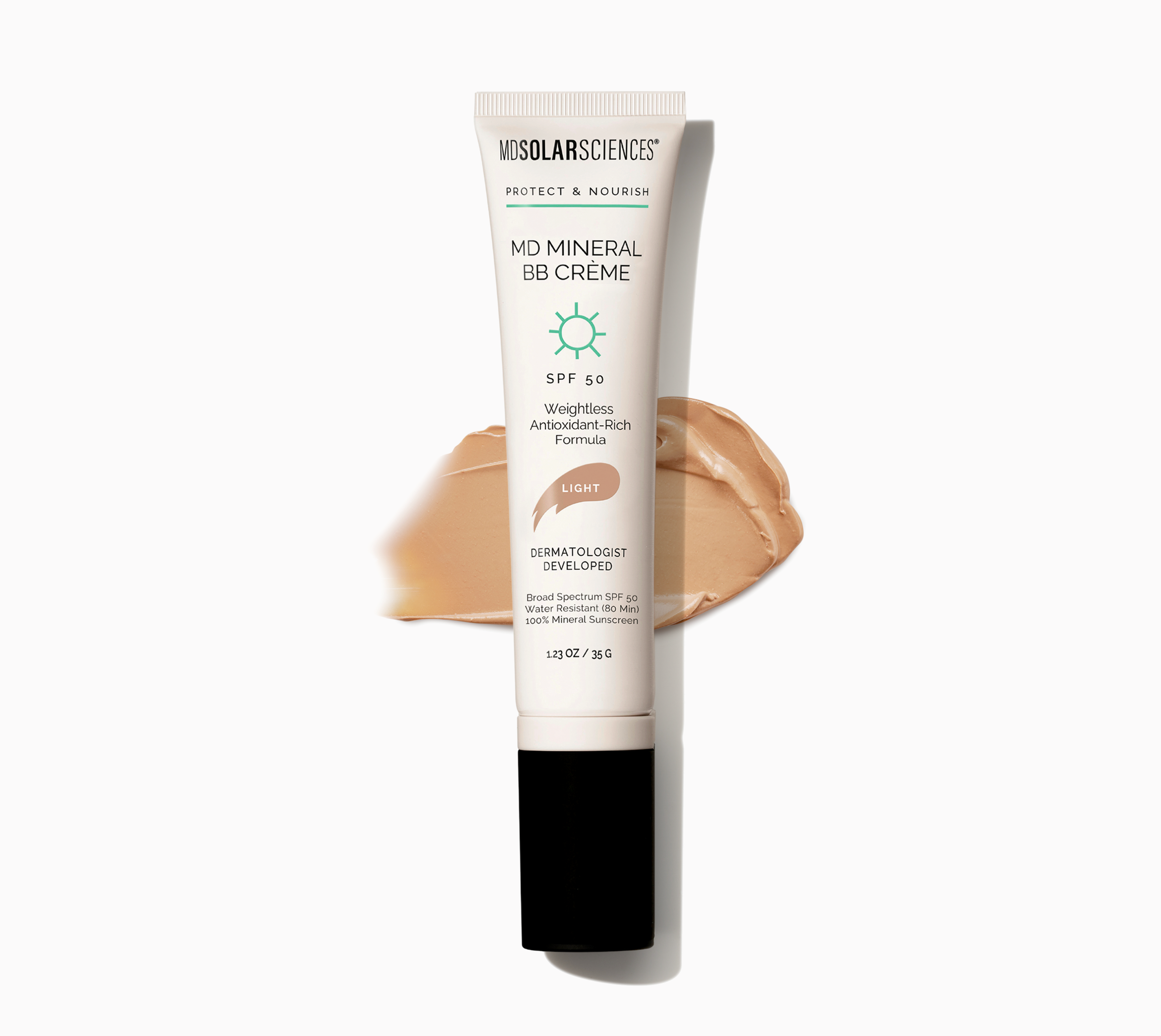
One product I consistently love is the MDSolarSciences Tinted Crème as the last step in my morning skincare routine. I don’t typically wear foundation, and because I have rosacea and some uneven pigmentation, I love that the tint gives me a little coverage while also protecting my skin.
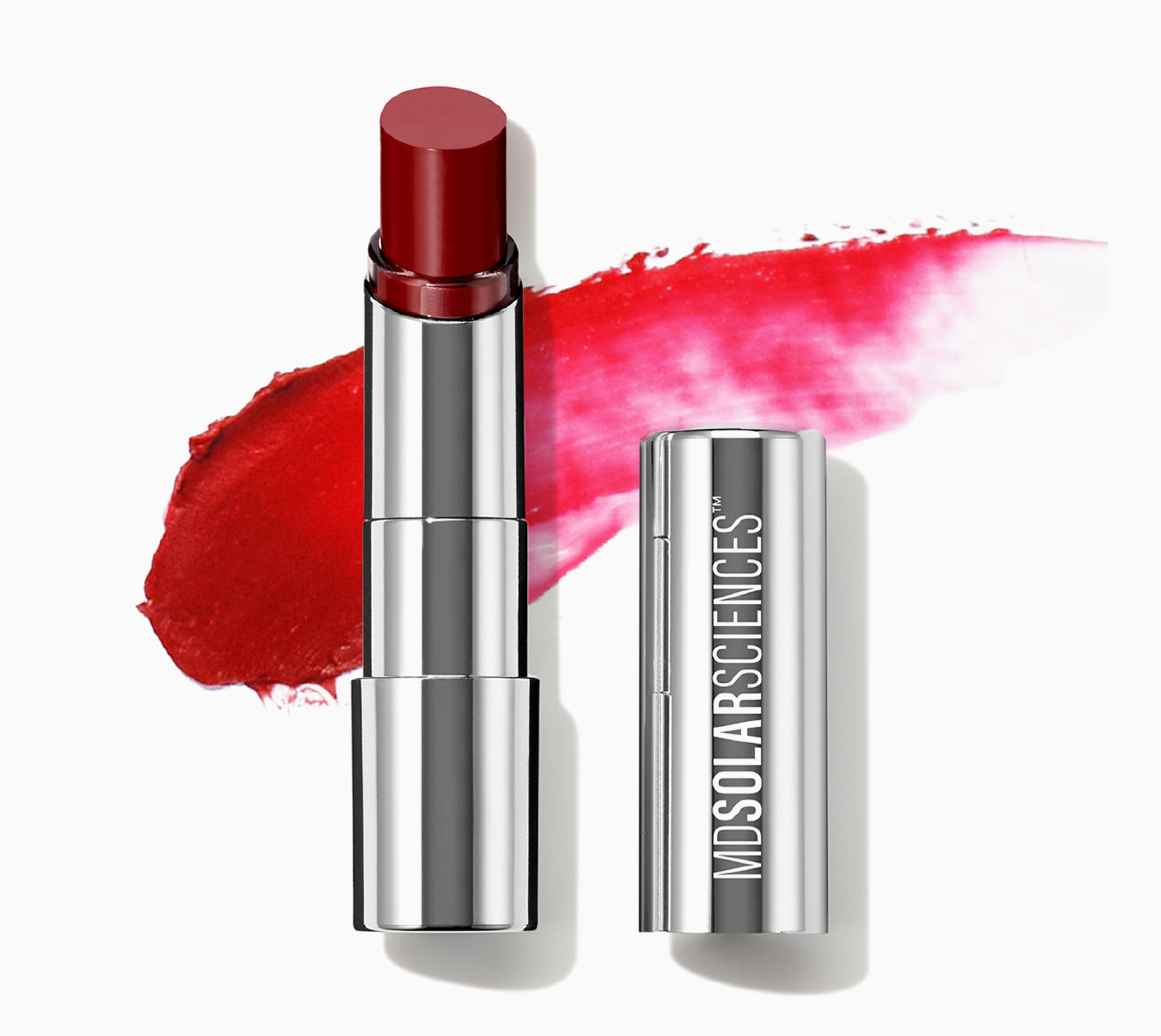
When I’m outdoors, I reach for the Tinted SPF Stick to reapply every 2 hours, because the stick makes reapplication so easy. I also keep an SPF reapplication mist on hand for days when I’m wearing makeup because it makes reapplying throughout the day much more convenient.
9. Is there a difference between SPF for the face vs. body — and does it matter which one you use where?
From a sun-protection standpoint, there really isn’t a “face” sunscreen and a “body” sunscreen- the same principles apply: look for broad-spectrum protection, SPF 30 or higher, and water resistance. The biggest difference to consider is usually the formulation and inactive ingredients.
Facial sunscreens are often designed to feel lighter, layer well under makeup, or address specific skin concerns, while body sunscreens may come in larger, more practical formats. If you want to use a body SPF on your face, check the label- especially if you’re acne-prone or sensitive- and look for a formulation that’s non-comedogenic and works well for your skin. Otherwise, if you love it on your face, and your skin isn’t irritated from it, go for it!
10. What's the most common sunscreen myth you hear in your practice — and what's the truth?
One of the biggest myths I hear is, “The damage is already done, so what’s the point?” And I always remind patients: past sun exposure doesn’t make future sun protection any less valuable.
UV damage is cumulative. You may not be able to erase every bit of exposure you’ve had in the past, but you can absolutely reduce additional UV damage moving forward. Whether you’re 15 or 75, protecting your skin today still matters.
My philosophy is simple: the best time to start wearing sunscreen was years ago… but the second-best time is today. :)
About Michelle McFarland, MSN, APRN, DCNP, FNP-C
Michelle McFarland is a double board-certified nurse practitioner in dermatology and family health and the founder of Bare Concierge — a medical and cosmetic dermatology practice with professional interests spanning sunscreen science, skin cancer prevention, and evidence-based skincare. Her passion for sunscreen was shaped by her early career caring for patients with melanoma and complex skin cancers at Memorial Sloan Kettering Cancer Center in New York City. She recently authored a professional manuscript examining sunscreen innovation and access in the United States, currently undergoing peer review for publication.
At MDSolarSciences, we were founded by a dermatologic oncologist on a mission to make sun protection people would actually wear every day. Every formula is dermatologist-developed, clinically tested, reef safe, and designed to feel like skincare — not sunscreen. Shop our full collection at mdsolarsciences.com.